Five Hours of Her Own Words: Defense Dismantles Star Witness in Banfield Murder Trial
Seventy letters. One Netflix deal. And a credibility problem the prosecution may never overcome.
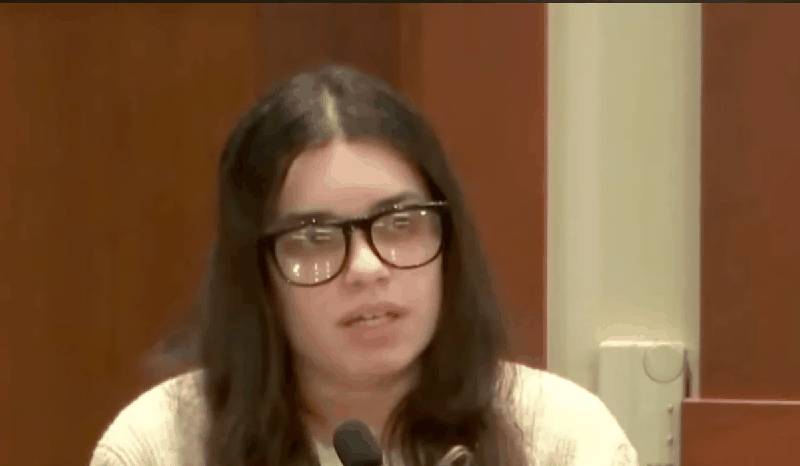
I watched a witness get taken apart today. Not by tricks. Not by theatrics. By her own words, read back to her one letter at a time for nearly five hours.
Juliana Magaz is the prosecution's star witness in the Brendan Banfield murder trial. She pleaded guilty to voluntary manslaughter and agreed to testify against her former boyfriend, a law enforcement officer accused of killing his wife Christine. The state's entire theory depends on believing her account of a months-long catfishing scheme that allegedly lured a man to the Banfield home, where Christine was killed.
But before the jury could decide whether to believe her, defense attorney Mr. Carol had something to show them: approximately 70 pieces of jail correspondence spanning from her arrest in October 2023 through early 2025. Letters to Brendan. Letters to his mother Tess. Messages to her own mother in Brazil. And what those letters revealed may have destroyed the prosecution's case before they even rest.
The Letters That Won't Go Away
December 8, 2023. Two months after her arrest. Juliana writes to Brendan:
That's not ambiguous. That's not open to interpretation. She's telling the man she supposedly conspired with to commit murder that she has nothing to give the prosecution. That there's nothing to cooperate about.
But it gets worse. January 3, 2024:
And again, same day, to his mother:
Read that again. She offered to take the blame. For both of them. This is the woman the prosecution is asking the jury to believe is now, finally, telling the truth.
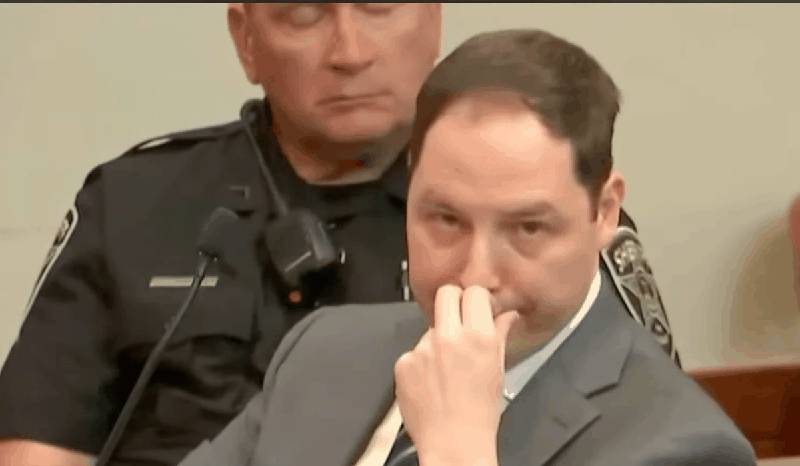
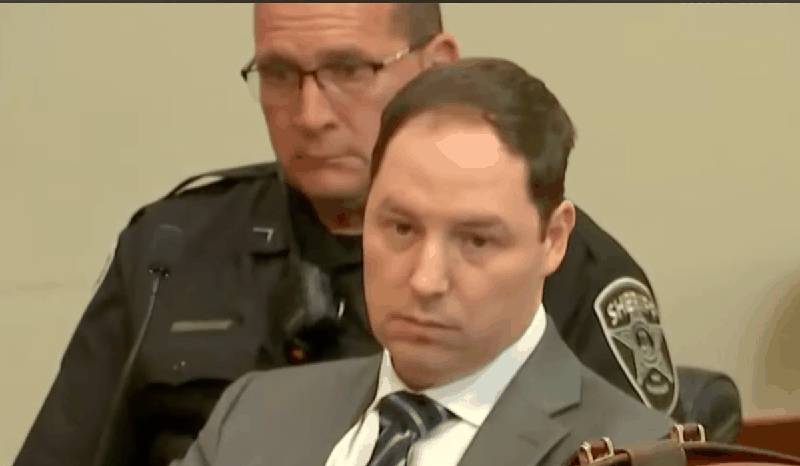
Defendant Brendan Banfield listens as his former girlfriend's letters are read to the jury
The Timeline Problem
Here's what the jury now knows about the sequence of events:
For an entire year after her arrest, Juliana wrote letter after letter promising loyalty. She wasn't going to cooperate. She'd take the blame. She'd give her life for his. The prosecution was trying to get her to flip, and she was telling everyone who would listen that she never would.
Then came October 2024.
October 13-23: Juliana is hospitalized for 10 days with a health crisis.
October 25: She tells prosecutors she'll accept a deal. Her first interview with the Commonwealth.
October 26: Her mother sends her a message from Brazil: "It seems I was guessing he was guilty and putting the blame on you. Tell Mimi [Tess] that it was Brendan who planned it."
October 28: She signs the plea agreement.
October 29: She appears before Judge Ascarate.
Look at that timeline. A year of promising she'd never cooperate. A health crisis that isolated her from everyone. Her mother telling her to blame Brendan. And within days, she signs.
When defense asked why she waited a year to "tell the truth," her answer was unconvincing: "The fact that I took a year to accept my plea does not mean I didn't have intention to tell the truth before."
Really? Because for 365 days, her letters show the exact opposite of any intention to tell the truth.
The Dependency That Controlled Everything
There's a detail that makes all of this worse. Juliana was completely dependent on the Banfield family for contact with her own family.
Brendan's mother Tess paid for her attorney. Tess put money in her commissary account. Tess provided the phone credits that let Juliana communicate with her mother in Brazil. Without the Banfield family, Juliana was alone. A Brazilian au pair in an American jail with no way to reach anyone she loved.
All of that support stopped the moment she signed the plea deal.
This creates two possible readings. The prosecution wants you to see a young woman trapped in dependency who finally found the courage to tell the truth. The defense wants you to see a woman who said whatever kept her connected to her family, and then changed her story when the prosecution offered a better deal.
Neither is good for the state's case. If she was so dependent on Brendan's family that she couldn't tell the truth for a year, how do we know she's not now dependent on the prosecution's deal?
The Memory Problem
Throughout the cross-examination, Juliana repeatedly couldn't remember crucial details about the alleged murder plot.
Who took Christine's laptop to create the email account that started the catfishing scheme? "I don't remember."
What room were they in when the account was created? "I don't remember."
Who typed specific messages on FetLife and Telegram? "I don't know. It's either me or Brendan."
Defense pushed hard on this: "There's two of you in the plan. Who did it and who didn't?"
Her answer: "You're telling me to be specific with this message. I'm telling you I don't remember which one of us did it."
She invoked trauma as an explanation, calling it a "defense mechanism" where "our brain blocks out" painful memories. But defense wasn't buying it: "So your brain's blocking out the details of this plan that essentially your whole future rests on with the Commonwealth?"
At one point, frustrated by the questioning, she shot back: "I can't make my words fit into the evidence."
That may be the most honest thing she said all day.
The Netflix Bombshell
And then came the moment that may define this trial.
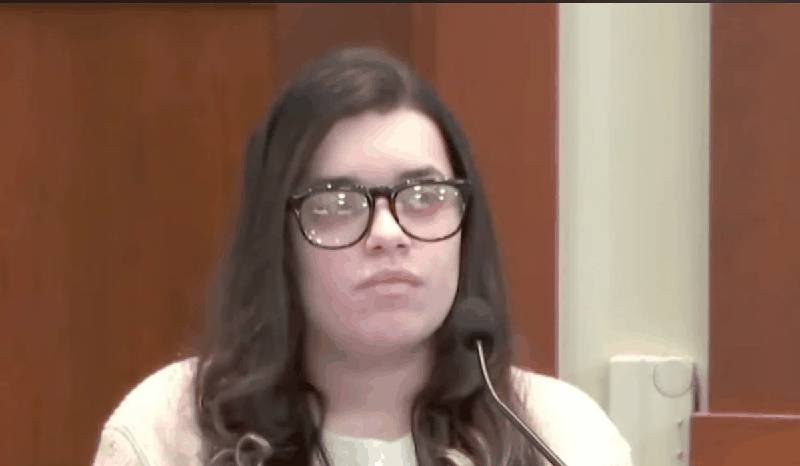
Defense introduced messages from January through March 2025 showing Juliana in active negotiations with producers from Crane Productions about a Netflix documentary. They've been supporting her in jail, putting money on her commissary, paying for phone credits.
March 4, 2025, she writes to her mother:
The next day: "The documentary film will be made regardless of whether I am here or in Brazil. My whole life will be exposed to everyone, right? And they're going to be making a lot of money off of it. We deserve something."
When defense asked what she "deserves something" for, she said: "For what we've been through, my family and I."
Think about what the jury just heard. The prosecution's key witness, whose testimony could send a man to prison for life, is actively negotiating a documentary deal. She admitted she has no other means of financial support. She can't work as an au pair again. The Netflix money isn't a bonus. It's her future.
And the story she's selling is the same story she's telling the jury.
The Age and Power Dynamic
On redirect, the prosecution tried to repair the damage. They emphasized that Juliana was 21-22 when all this began. Brendan was 36. Fifteen years older. A law enforcement officer. She was far from home, isolated from family, dependent on him and his mother for everything.
It's a fair point. Power dynamics matter. Young people in relationships with older authority figures can be manipulated, controlled, coerced into things they'd never do on their own.
But here's the problem: that same dynamic explains why she might have said whatever she needed to say to survive. First to stay connected to the only people who could reach her family. Now to get out of prison and start her life over.
The prosecution can't have it both ways. If she was so controlled by Brendan that she participated in a murder plot, how do we know she's not now controlled by the prosecution's deal and the Netflix money?
What the Jury Has to Decide
Reasonable doubt isn't about knowing what happened. It's about whether the state has proven its case beyond a reasonable doubt.
After today, the jury has to weigh:
A year of letters saying she'd never cooperate against her claim that she always wanted to tell the truth.
Memory failures on crucial details against her explanation of trauma.
A Netflix deal worth up to $25,000 against her claim that she's just testifying because it's "the right thing to do."
Complete dependency on the Banfield family against her claim that she wasn't influenced by that dependency.
Her mother's message to "blame Brendan" coming days before she flipped against her claim that she decided independently.
None of this proves Brendan Banfield is innocent. He hasn't been proven anything yet. The prosecution isn't done. There will be more witnesses, more evidence, more arguments.
But the entire case theory depends on believing Juliana Magaz. And after five hours of watching her own words contradict her testimony, that belief has to be harder to hold.
▶️ WATCH THE FULL CROSS-EXAMINATION Prosecution's Star Witness Crumbles Under CrossThe Bigger Picture
My dad used to say that cross-examination is where cases are won and lost. Not opening statements. Not closing arguments. The moment when a witness has to face the contradictions in their own story.
What happened today in that Virginia courtroom is exactly what the system is supposed to do. The prosecution put forward their star witness. The defense tested her credibility. The jury watched. And now they have to decide what to believe.
That's due process. That's the presumption of innocence at work. The state has to prove its case, and the defense has the right to challenge every piece of it.
Juliana Magaz may be telling the truth. She may have been a young woman manipulated by an older man, trapped in a nightmare, finally finding the courage to speak. That's possible.
But it's also possible that she's telling the story that gets her the lightest sentence and the biggest Netflix check. And after today, that possibility is a lot harder to dismiss.
This trial isn't over. But the prosecution's path to conviction just got a lot steeper.
Watch the system. Question everything.
— Justice
Latest from the Desk
Want More?
Subscribe to Justice Is A Process on YouTube for live trial coverage, No Breaks editions, and breaking news as it happens.
🔴 Subscribe on YouTube111,000+ subscribers watching the system with us
Join the Discussion