Words Matter: When Police Report What You "Meant" Instead of What You Said
Day 3 of the Caneiro trial exposed a problem that goes far beyond this case
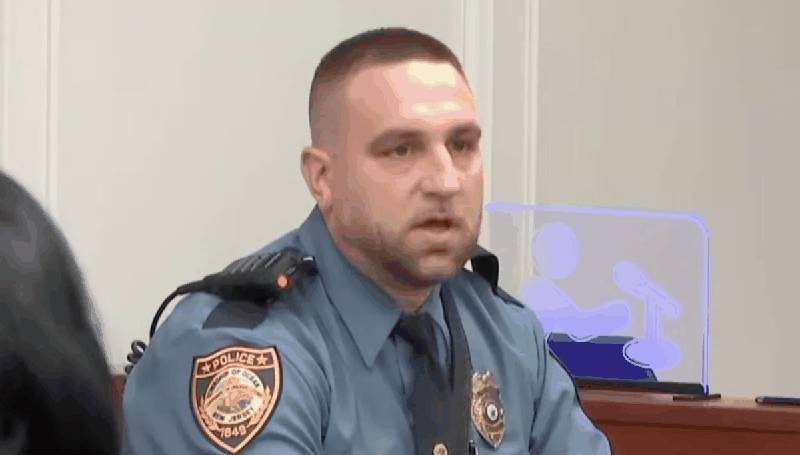
Today I watched a police officer admit, under oath, that he reported words a defendant never actually said. And the jury in the Paul Caneiro quadruple murder trial watched it happen too.
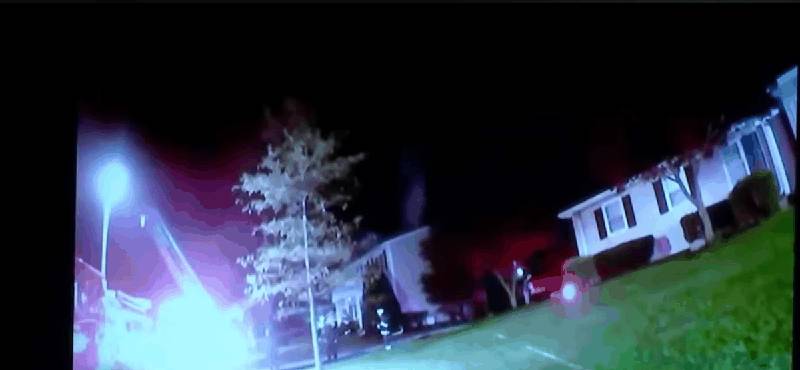
Here's what happened. On November 20, 2018, hours after Paul Caneiro's house caught fire and seven hours before firefighters would discover four bodies at his brother's mansion eleven miles away, Officer Brendan Bernhard of the Ocean Township Police Department approached Paul to ask about his home surveillance system.
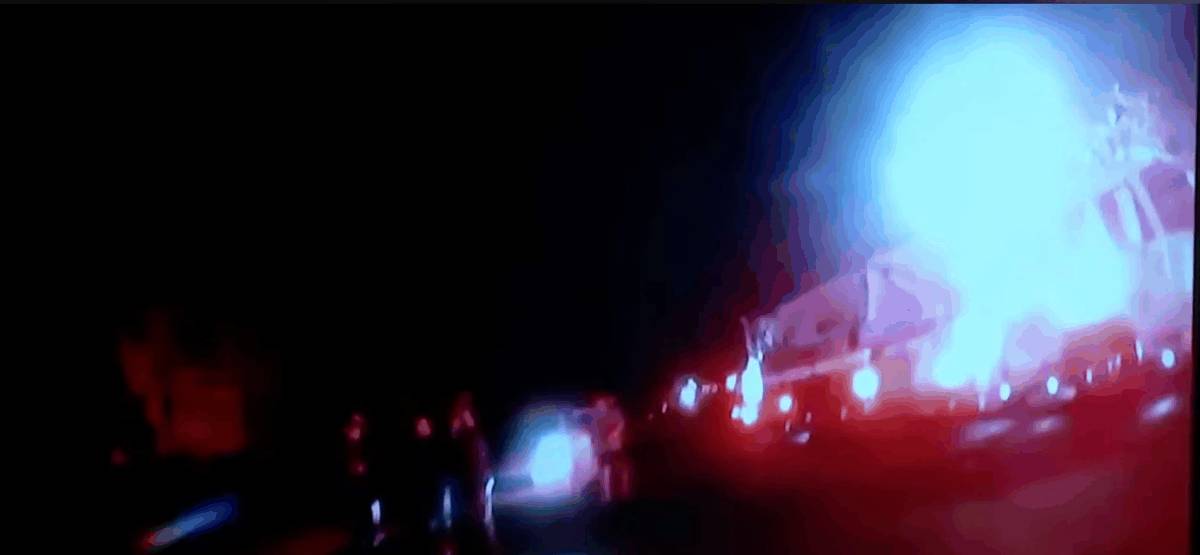
Bernhard was wearing a body camera. It recorded everything.
The question was simple: Where is the DVR for your security cameras? Paul's daughter answered most of the questions. When Bernhard asked if the cameras were currently running, Paul said: "I've been having problems with stuff in the garage."
Stuff. In the garage.
But when Bernhard radioed his supervisor, Sergeant Malone, to relay this information, he said Paul was having "problems with his cameras."
The Defense Saw It
Defense counsel walked Bernhard through the body camera transcript line by line. The exchange was methodical and devastating.
"Mr. Caneiro never says, 'I'm having problems with my DVR system specifically,' right?"
"He did not specifically say that."
"He just says, 'I'm having problems with stuff in the garage.' And there's no further clarification at that point. Right?"
Bernhard tried to explain: "We were talking about the DVR for the camera."
The defense didn't let him off the hook. "You're assuming at that point, right?"
And there it was. The admission.
"That's how I took it."
Why This Matters Beyond the Caneiro Case
Look, I'm not saying Officer Bernhard is a bad cop. I'm not saying he was trying to frame Paul Caneiro. I'm saying he did something that cops do every single day in this country: he interpreted someone's words instead of reporting them accurately.
And interpretations become evidence.
That's the problem. When a police officer writes in a report or testifies in court that a suspect said something, juries believe it. They have no reason not to. They weren't there. They didn't hear the actual conversation. All they have is the officer's version.
But body cameras are changing that. They're giving juries the ability to hear exactly what was said, not what an officer believed was meant. And today, in a New Jersey courtroom, that body camera footage proved an officer's report didn't match reality.
The Report That Took Seven Years
The defense didn't stop there. They revealed that Officer Bernhard's report wasn't provided to the prosecutor until 2024. Seven years after the crime.
Why? Because when Bernhard tried to enter his report into Spillman, the police database, the case was already locked. So he saved it to a Word document on his computer. And there it sat. For seven years.
Oh, and one more thing. Bernhard's report ended with "No Further Action Taken." But he actually drove Paul Caneiro to the Monmouth County Correctional Institute that same night for his arrest. He never documented the transport.
This is what documentation looks like in the criminal justice system. Reports that take years to surface. Key information that never gets written down. And interpretations that get treated as facts.
The Bigger Picture
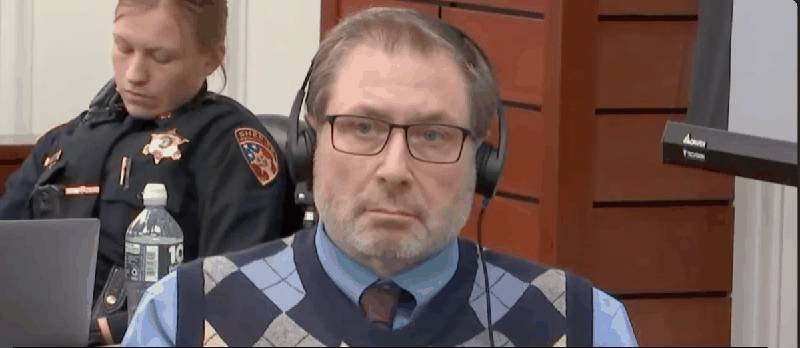
Paul Caneiro is accused of murdering his brother Keith, his sister-in-law Jennifer, and their two children Jesse and Sophia. The prosecution says he did it for money, to cover up theft from their shared business. The allegations are horrific.
But allegations aren't proof. And the integrity of the evidence matters, even in the most brutal cases. Especially in the most brutal cases.
Today's testimony wasn't about whether Paul Caneiro is guilty. It was about whether the words attributed to him are actually words he said. The answer, at least in this instance, was no.
My father spent his career fighting for accuracy in the criminal justice system. He believed that due process isn't just a legal technicality. It's the foundation. When police can report what they think you meant instead of what you actually said, when reports can take seven years to surface, when key events go undocumented, the system fails everyone.
It fails the accused, who may be convicted based on inaccurate information. And it fails the victims, whose families deserve justice built on truth, not assumptions.
▶️ WATCH NOW Defense Traps Officer With His Own Body Camera FootageThis is why we watch. This is why we question. This is why the work matters.
Watch the system. Question everything.
— Justice
Latest from the Desk
Want More?
Subscribe to Justice Is A Process on YouTube for live trial coverage, No Breaks editions, and breaking news as it happens.
🔴 Subscribe on YouTube111,000+ subscribers watching the system with us
Join the Discussion