The Gas Can Question That Backfired
Day 3 testimony reveals a critical flaw in the investigation of Paul Caneiro
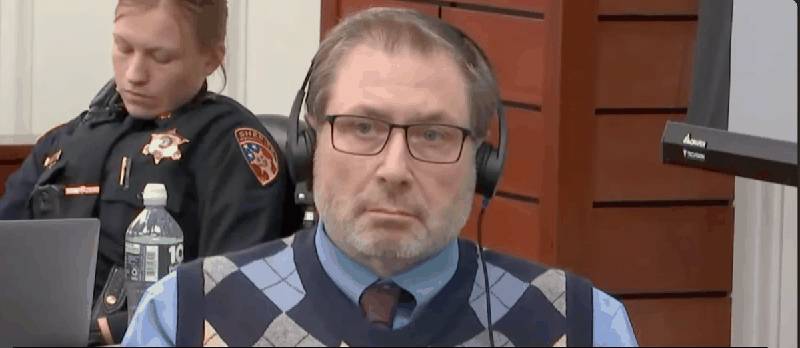
Sometimes the most revealing moments in a trial aren't the dramatic ones. They're the quiet exchanges that expose how an investigation was actually conducted. Today, we got one of those moments.
Officer Kevin Redmond, a now-retired Ocean Township patrol officer with 21 years of experience, was the first officer on scene the morning of November 20, 2018. He arrived at Paul Caneiro's house on Tilton Drive around 5:02 a.m. responding to a fire call. What he found was immediately suspicious: two separate fires in different areas of the property, a gas can with a burnt nozzle by the garage, and a white Porsche with burn marks on it.
Within minutes, officers on scene were openly discussing arson. Redmond himself made statements captured on body cameras: "Someone doused the area purposely." "They put gasoline all over the car." "It's possibly arson."
Here's where it gets interesting.
The Question Nobody Thought Through
About 15 minutes after discovering the suspicious gas can by the garage, Redmond approached Paul Caneiro to ask about it. The conversation was captured on Officer Wankovski's body camera, and it's now evidence in this trial.
Redmond asked Paul: "Where was the gas can?"
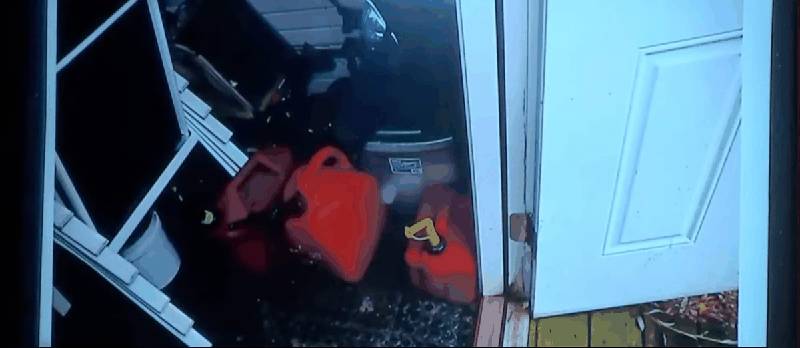
Paul's response: "The gas cans? They're in my shed. I keep my gas cans in my shed."
Think about that for a second. If you're a homeowner and a cop asks you "where's the gas can?" after your house just caught fire, what would you say? You'd probably tell them where you normally keep your gas cans. That's not suspicious. That's just answering the question you were asked.
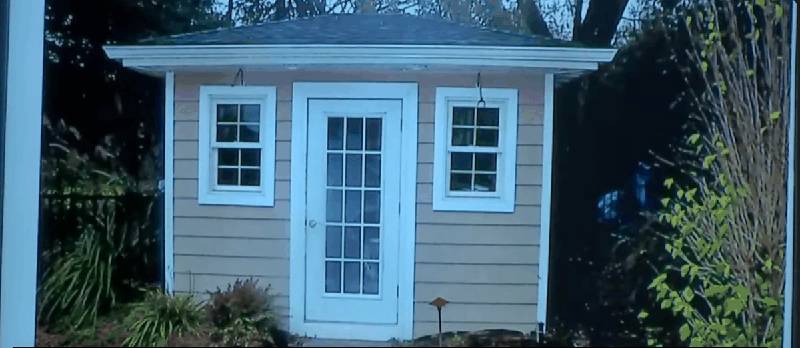
The defense pounced on this during cross-examination. They established that Redmond never actually told Paul which gas can he was asking about. Paul couldn't have known there was a gas can found outside because nobody told him. His answer of "they're in my shed" makes perfect sense for someone who genuinely didn't know a gas can had been found at the fire scene.
The Prosecution's Counter
On redirect, the prosecutor tried to flip this. The argument: "If Mr. Caneiro lit the fire, he would know which gas can you were referring to."
It's a clever move. If Paul was guilty, he WOULD have known exactly what the officer was asking about. The fact that he answered with confusion could cut either way depending on how you look at it.
But here's the problem with that logic: Paul didn't answer like a guilty person. He answered like someone who had no idea what the cop was talking about. A guilty person might have asked "what gas can?" or tried to distance themselves. Paul just said where he keeps his gas cans. That's not guilty knowledge. That's the absence of it.
What Else Came Out Today
The defense didn't stop there. They caught Redmond in another problem: he told Fire Marshal Flanigan that Paul had a "burn mark on his hand." But under oath, Redmond admitted he never actually saw Paul's hand. He never discussed any injury with Paul directly. He was relaying secondhand information as if it were his own observation.
That matters. When officers start passing around information they didn't personally witness, and that information makes its way into the investigation as fact, you have a reliability problem. How many other "facts" in this case are actually games of telephone?
There was also this revealing moment: while officers were discussing the suspicious fires, Redmond asked other officers "who is his enemies?" The implication is clear. At that point in the investigation, police were considering that someone may have targeted Paul Caneiro. He was a potential victim, not just a suspect.
That framing disappeared pretty quickly once they found his brother's family murdered eleven miles away. But it's worth remembering that early on, the people closest to the evidence weren't sure which way this was going to go.
The Bigger Picture
Look, I'm not here to tell you Paul Caneiro is innocent. I don't know that. The prosecution has DNA evidence, ballistics evidence, security footage, and a financial motive they're going to present. This trial is far from over.
But what I am here to do is watch whether the system is doing its job. And part of that job is making sure the investigation was conducted properly. Today's testimony raised real questions about how evidence was gathered and how information was passed around in those critical first hours.
If you're going to convict a man of murdering his brother, sister-in-law, and two children, you better have done the investigation right. The gas can question was sloppy. The secondhand burn mark information was sloppy. The presumption that confusion equals guilt is a reach.
The defense is building something here. Whether it's enough to create reasonable doubt, we'll have to see. But today was not a good day for the prosecution's narrative.
▶️ WATCH NOW The Gas Can Trap That Backfired: Did This Cop Just Prove He's Innocent?This is why we watch. This is why we pay attention. Because the details matter. The questions they ask matter. And sometimes, the questions they don't ask matter most of all.
Watch the system. Question everything.
— Justice
Latest from the Desk
Want More?
Subscribe to Justice Is A Process on YouTube for live trial coverage, No Breaks editions, and breaking news as it happens.
🔴 Subscribe on YouTube111,000+ subscribers watching the system with us
Join the Discussion