Inside the Kill Zone: What the Crime Scene Evidence Reveals
A Texas Ranger documented Classroom 112. The jury saw what he found.
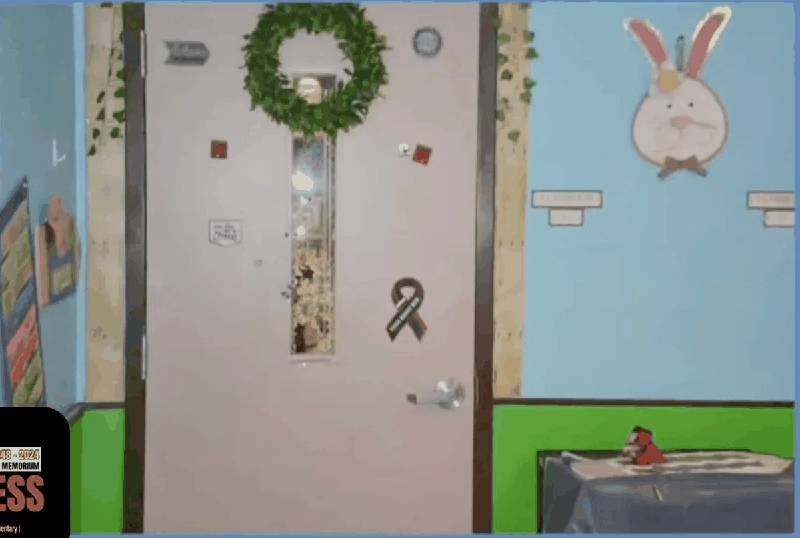
Today, the jury in the Adrian Gonzales trial saw something most of us will never see: the inside of a fourth-grade classroom turned crime scene. Texas Ranger Scott Swick walked them through it photo by photo, bullet hole by bullet hole, blood stain by blood stain.
I want to take you through what he documented. Not because it's easy to look at. Because understanding what happened in that room is essential to understanding what this trial is actually about.
The Door
Look at that image above. That's the door to Classroom 112 at Robb Elementary. Notice the green wreath still hanging at the top. The bunny decoration on the wall beside it. This was a fourth-grade classroom at the end of May. Awards ceremonies happened that morning. Parents dropped off kids who were excited about summer break.
Now look at the window in the door. Shattered. And those bullet holes you see? Ranger Swick confirmed they came from the hallway into the classroom. Not out. In. The shooter stood in that hallway and fired through this door at children.
What Bullets Do to a Classroom
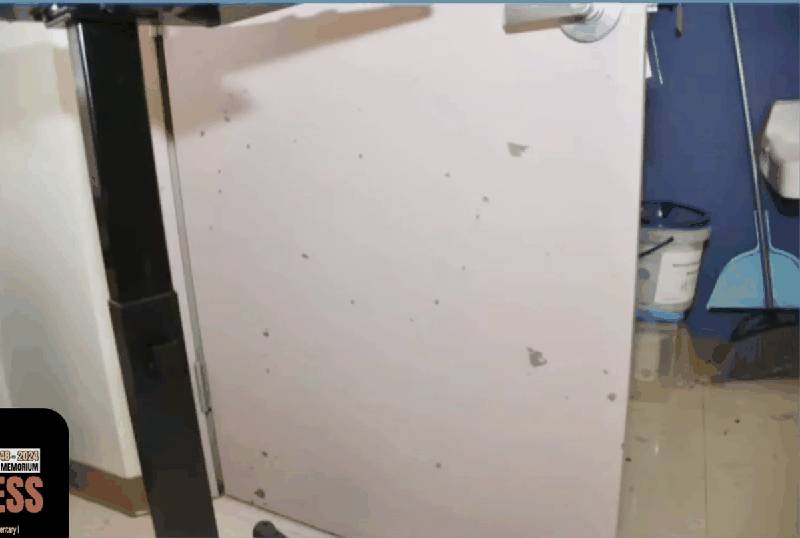
This is the closet door inside Classroom 112. It sits directly across from the entrance. When Ranger Swick documented it, he noted all those gray marks you see. Those aren't scuffs. Those are shrapnel defects. Fragments of bullets that struck something else first, then sprayed across this door.
Swick explained something important about bullet behavior. When a round perforates an object, meaning it goes through it rather than stopping, it loses energy. It can start tumbling. It fragments. And those fragments go everywhere.
The prosecution asked him directly: Did bullets go through the children's desks and chairs? His answer: "It appeared. Yes, sir."
Think about that. The furniture in this classroom offered no protection. Children who hid under desks, who ducked behind chairs, were still in the kill zone.
The Ammunition
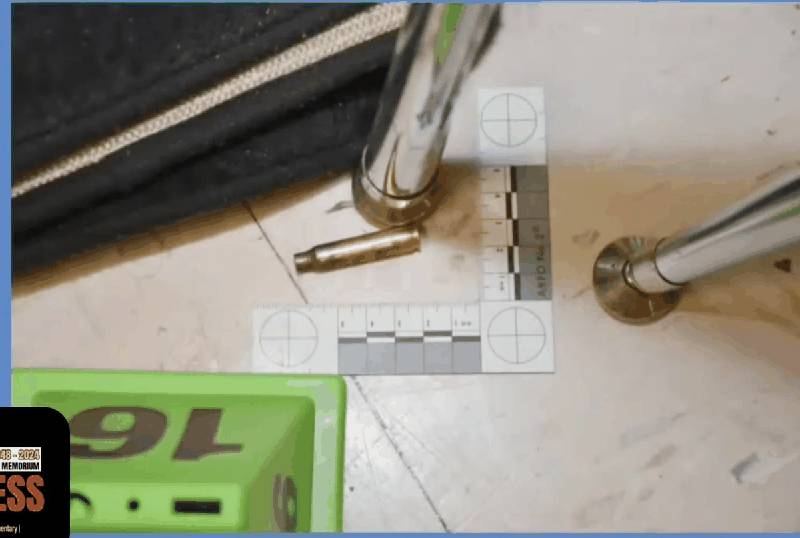
The Ranger documented fired cartridge cases scattered across the classroom floor. On the carpet. Inside desk drawers. Near backpacks. One backpack had a bullet hole through its side.
He found two empty PMAG magazines. These are high-capacity magazines designed to hold 30 rounds each. Both were empty. That's at least 60 rounds fired from those two magazines alone, in a room measuring maybe 30 by 30 feet, filled with fourth graders.
That's what Ranger Swick said. The northwest corner. The corner farthest from the doors. The corner farthest from the windows. That's where the blood was concentrated.
Do you understand what that means? The children ran. They ran to the corner of the room as far as they could get from where the bullets were coming from. And that's where they died.
What This Testimony Proves (And What It Doesn't)
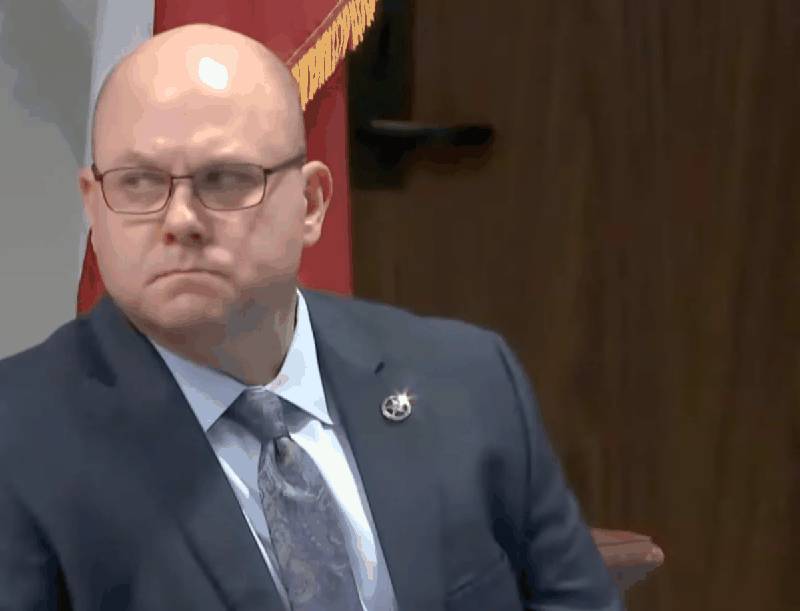
Here's where I want you to think critically. This testimony is devastating. It documents horror. It shows exactly what happened inside that classroom.
But does it prove Adrian Gonzales should have acted differently?
The prosecution's theory is this: children were in imminent danger inside Classroom 112. Gonzales, as a school district police officer, had a duty to act. He failed to engage, distract, or delay the shooter. His inaction endangered those children.
The defense will likely argue something different: this testimony documents what the shooter did, not what Gonzales did. The bullet holes came from the shooter's weapon. The shell casings came from the shooter's magazines. The blood in the corner is the result of the shooter's actions.
Can you charge an officer for failing to stop a massacre when 400 officers responded and only two face charges? That's the question this jury has to answer. And they have to answer it after seeing photos like these.
This case is unprecedented. No Texas officer has ever been criminally prosecuted under the child endangerment statute for failing to act during an active shooter event. The only comparable case, Parkland, resulted in acquittal.
But Uvalde is not Parkland. This classroom is not Marjory Stoneman Douglas. These were 9 and 10 year olds. And 77 minutes passed before anyone went through that door.
▶️ WATCH THE FULL TESTIMONY Inside Classroom 112: Texas Ranger Documents the Kill Zone | Uvalde TrialWatch the testimony. See what the jury saw. Make up your own mind.
That's what we do here. We watch the system operate. We question everything. And we never forget that 19 children and two teachers are the reason we're watching in the first place.
Watch the system. Question everything.
— Justice
Latest from the Desk
Want More?
Subscribe to Justice Is A Process on YouTube for live trial coverage, No Breaks editions, and breaking news as it happens.
🔴 Subscribe on YouTube111,000+ subscribers watching the system with us
Join the Discussion