The $1.4 Million Question: What the First Witness Revealed About the Caneiro Brothers' Business
Day 1 testimony lays the foundation for financial motive in New Jersey's most brutal family murder case
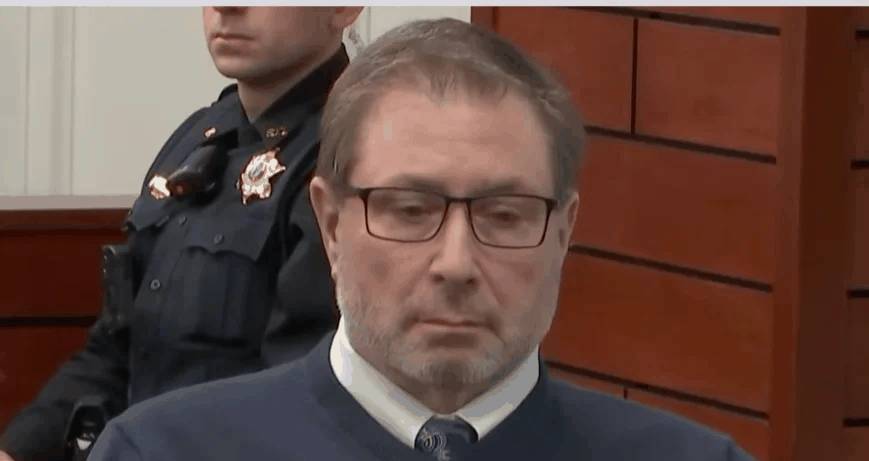
Seven years. That's how long Paul Caneiro has waited for trial. Seven years since November 20, 2018, when his brother Keith, sister-in-law Jennifer, and their children Jesse (11) and Sophia (8) were found dead in their burning Colts Neck mansion. Seven years of motions, delays, pandemic disruptions, and legal wrangling over DNA evidence.
Today, the trial finally began. And the prosecution's first witness told the jury exactly what they wanted to hear: Square One, the IT company Paul and Keith Caneiro built together over three decades, was hemorrhaging money.
The Business That Built Two Lives
Keith Caneiro founded Jay-Martin Consulting in the early 1990s. The name combined his middle name with his brother Paul's. It was that kind of partnership. Keith was the visionary, the guy who taught himself computers by reading software manuals as an unpaid teenage janitor at a computer store. Paul was his first hire.
The company thrived. They landed Citibank's nationwide network installation contract. Then JPMorgan. Then Chase Manhattan. By 2001, they had $4.5 million in annual sales and 26 employees. They rebranded as Square One and eventually added a pest control company, EcoStar, to their portfolio.
But here's the detail that matters: Keith owned 90% of Square One. Paul owned 10%. They were equal partners in EcoStar, but the flagship company, the one that made them wealthy, that was Keith's.
What the First Witness Revealed
Shakuntala Basu was the Director of Information Systems at the Doris Duke Foundation, a wealthy nonprofit with offices in New York, New Jersey, and Hawaii. Square One had been their managed service provider since 2003. The contract was worth approximately $1.44 million annually, paid out at roughly $123,000 per month.
That's a major client. And by 2018, Basu was ready to walk.
She wasn't hiding her search for alternatives. Other managed service providers came to her office for meetings. Square One staff saw them. Nobody was being subtle about this.
On November 13, 2018, Basu and her COO met with Keith Caneiro in New York to discuss the contract situation. They told him directly: the cost was too high, and they were either going to need a significant reduction or they were moving on. The contract allowed cancellation at the end of 2018 with no penalty.
Keith scrambled. Three days later, on November 16th, he emailed Basu three different contract proposals. One year, two years, or four years. All of them reduced the monthly cost from $123,000 to roughly $94,000. The tradeoff: cutting on-site staff from three engineers to two.
Keith was trying to save the account. He was negotiating. He was fighting for his business.
Four days later, he was dead.
The Timeline That Haunts This Case
November 13: Keith meets with Doris Duke Foundation about the failing contract.
November 16: Keith sends three contract proposals trying to save the $1.4 million account.
November 20: Keith is found dead on the lawn of his Colts Neck mansion with four gunshot wounds to the head and one to the back. Inside the burning house, firefighters find Jennifer, Jesse, and Sophia. Jennifer was shot and stabbed. The children were stabbed multiple times.
The same morning, hours earlier, firefighters responded to a fire at Paul Caneiro's home in Ocean Township. Paul's wife and two daughters escaped unharmed. Prosecutors allege Paul set that fire to make it look like the entire family was being targeted.
What the Prosecution Is Building
The financial motive theory goes beyond the Doris Duke contract. According to court filings and prior statements from the Monmouth County Prosecutor's Office, Keith was frustrated with Paul. Money had gone missing from their business accounts. Jennifer Caneiro had told her sister that Paul stole thousands intended for her children's trust and education funds. Keith wanted to sell one of the businesses and was interviewing for new jobs. In separate communications, Keith said he wanted to be "done dealing with his older brother."
Prosecutors allege Paul stole $75,000 from Keith. They have DNA evidence they say links Paul to the crime scene, including blood from his nephew Jesse found on jeans in Paul's basement.
The Doris Duke testimony is the first brick. It establishes that the brothers' business was under severe financial pressure at the exact moment prosecutors allege Paul decided to kill his entire family.
What the Defense Says
On cross-examination, defense attorney Monika Mastellone made a simple point: nobody had said no. Negotiations were ongoing. Keith was actively working to keep the client. The contract proposals showed willingness to extend services through 2024.
"You didn't say yes," Mastellone said to Basu. "But you didn't say no either."
The defense has maintained from day one that Paul Caneiro is innocent. His previous attorneys called him "devastated" by his brother's death and said there was "absolutely no reason in the world" for him to have committed these crimes. They pointed out that Paul drove a Porsche and lived in a $500,000 home. They questioned whether a man with that lifestyle had any financial motive to kill.
What This Trial Will Decide
The prosecution has to prove beyond a reasonable doubt that Paul Caneiro killed four people, including two children, and then set two houses on fire to cover it up. Financial motive is part of that story, but it's not the whole story. They'll need to connect Paul to the scene, explain the timeline, and convince a jury that a man killed his own brother, his sister-in-law, and their kids over business disputes.
The defense has to create doubt. They don't have to prove Paul didn't do it. They just have to make the jury question whether the state can prove he did.
Shakuntala Basu couldn't tell the jury who killed Keith Caneiro. She could only tell them that his business was in trouble. That's motive evidence, not guilt evidence. The prosecution is building a case piece by piece. Today was the foundation.
▶️ WATCH THE TESTIMONY Brothers' Company Was Losing $1.4 Million Client Days Before Murder | Caneiro TrialThis trial is expected to run through March. I'll be covering it.
Watch the system. Question everything.
— Justice
Latest from the Desk
Want More?
Subscribe to Justice Is A Process on YouTube for live trial coverage, No Breaks editions, and breaking news as it happens.
🔴 Subscribe on YouTube111,000+ subscribers watching the system with us
Join the Discussion