21 Autopsies. One By One.
What the medical examiner's testimony tells us about what happened inside those classrooms
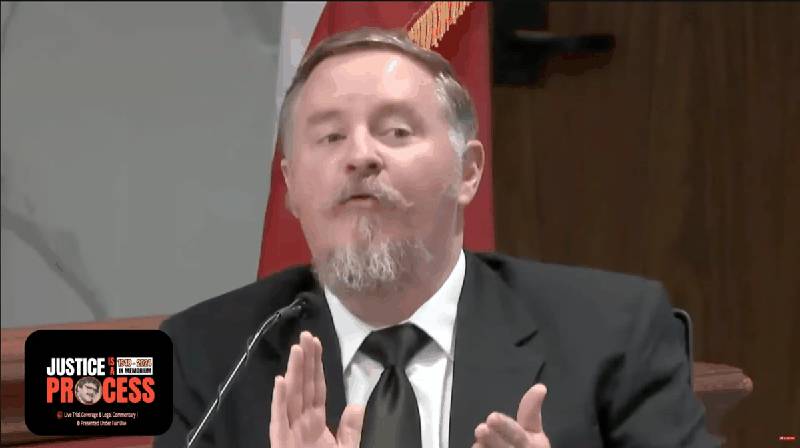
Dr. Garrett Phillips took the stand today in the trial of Adrian Gonzales. He's the Deputy Chief Medical Examiner for Bexar County. His office assisted Uvalde County after the massacre because the local resources couldn't handle what happened on May 24, 2022.
He reviewed all 21 autopsies. Every single one. And today, he walked the jury through his findings. Child by child. Wound by wound.
This is the kind of testimony that changes a courtroom. Not because it's dramatic. Not because there was any shouting or confrontation. But because it's precise. Clinical. And absolutely devastating in its detail.
The Numbers That Don't Leave You
Some children had 12 or 13 gunshot wounds. Think about that. Not one. Not two. Twelve. Thirteen. Wounds to hearts, lungs, brains, spinal cords. Dr. Phillips explained how each injury would have caused or contributed to death, methodically going through the major organs affected.
One child, Rojelio Torres, had a graze wound by his eyebrow. That wasn't what killed him. The 12 other gunshot wounds did that. The brain injuries. The lung injuries. The liver. The kidney. The thoracic spine and spinal cord. The humorous, the long bone in his upper arm.
Dr. Phillips explained that collectively, they caused death. Even without the brain injury, the combination of the rest might well have been fatal. But he had all of them.
He was 10 years old.
Close Range
The prosecution didn't just establish that children died. They established something more specific: how close the shooter was.
Dr. Phillips explained the science. When a gun is fired, more than just the bullet exits the barrel. There's soot, the residue of combustion. There are particles of burning and unburnt gunpowder. At close enough range, these deposit on the skin.
Miranda Matthysse had three gunshot wounds that showed gunpowder tattooing. Three separate shots from within 3-5 feet. The shooter was right there. Close enough to see her face. Close enough for her to see his.
Another victim, case number 22-1399, showed soot deposits. Within one foot. The muzzle of that weapon was inches from that child when the trigger was pulled.
These aren't statistics. These are children who were shot at point-blank range while 400 law enforcement officers waited in the hallway.
What the Prosecution Is Doing
The state is building a case element by element. Adrian Gonzales is charged with child endangerment for allegedly failing to engage, distract, or delay the shooter. To prove that charge, they need to establish that children were in imminent danger and that Gonzales's inaction placed them in that danger or failed to remove them from it.
Dr. Phillips's testimony establishes the danger beyond any possible doubt. These children weren't just in danger. They were being shot. Multiple times. At close range. While the shooter moved through those classrooms with impunity because nobody was trying to stop him.
The defense didn't challenge any of the autopsy findings. They couldn't. The science is the science. Instead, defense counsel asked the court to seal the autopsy exhibits from public access "out of respect for the children and families." The judge confirmed that had already been ordered.
Then defense attorney made a statement that I haven't stopped thinking about since I heard it.
That monster. The defense is already framing their entire case. The shooter did this. Not Adrian Gonzales. Their client may have been there, may have been the first officer on scene, but he didn't pull a single trigger. The monster in that building pulled the triggers.
It's a smart argument. And it raises a question the jury will have to answer: Is failing to stop a monster the same as being one?
The Faces
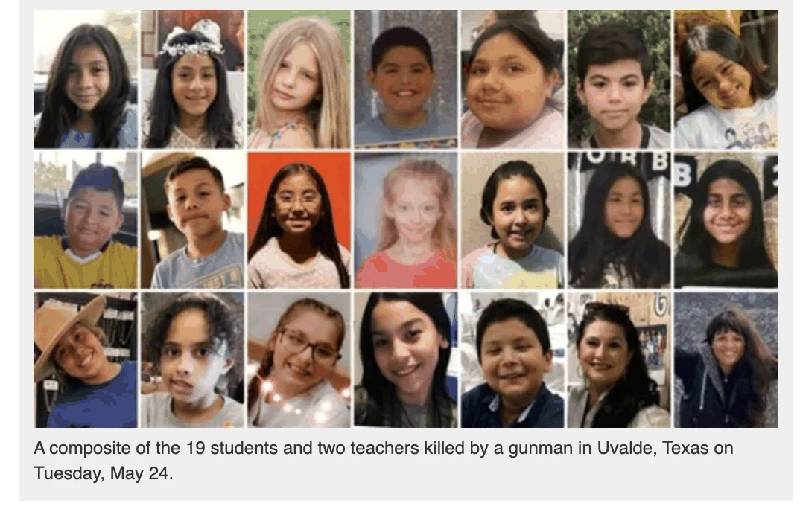
The prosecution made a deliberate choice about how to present this testimony. They did not show the jury graphic autopsy photographs of wounds. Instead, they showed photos of each child alive, many from the awards ceremony held at the school that very morning, and a clothed photograph of just the face for identification purposes.
It was a choice that respected the dignity of these children while still establishing the elements they needed to prove. The jury saw faces. They heard how those faces were destroyed. They didn't need to see the destruction itself.
Uziyah Garcia. Makenna Elrod. Layla Salazar. Annabelle Rodriguez, who was in the same classroom as her cousin, who also died. Maite Rodriguez, who wore lime green Converse with a heart she'd drawn on them. Alexandria Rubio, who had just received a good citizenship award that morning. Eliahna Torres, who loved softball.
Dr. Phillips read autopsy numbers and listed organ injuries. But those numbers were children. Those organs belonged to kids who had awards ceremonies that morning and would never have another.
What This Means
Medical examiner testimony is foundational. It's the state proving that crimes occurred, that people died, that the harm is real and documented. It's not the exciting part of a trial. There's no confrontation, no surprise witnesses, no courtroom drama.
But it's essential. And in this case, it does something specific: it establishes the lethality of every moment that passed while the shooter was inside those classrooms. Every second of delay meant more bullets. Every minute of waiting meant more wounds. Every failure to act meant more children shot at close range by a gunman who had all the time in the world.
Adrian Gonzales didn't shoot anyone. The prosecution doesn't claim he did. They claim he had a duty to act and didn't. They claim his inaction placed children in imminent danger.
Today's testimony makes the danger concrete. Twelve gunshot wounds. Thirteen gunshot wounds. Soot deposits from a muzzle pressed within a foot of a child's body. Gunpowder tattooing from shots fired at arm's length.
The jury now knows exactly what those children faced in rooms 111 and 112. What they decide Gonzales should have done about it is the question this trial will answer.
▶️ WATCH NOW Medical Examiner Walks Jury Through How 21 People Died at Uvalde | Gonzales TrialThe trial continues tomorrow. More witnesses. More evidence. More pieces of the puzzle that will determine whether failing to stop a massacre is a crime.
I'll be watching. You should too.
Watch the system. Question everything.
— Justice
Latest from the Desk
Want More?
Subscribe to Justice Is A Process on YouTube for live trial coverage, No Breaks editions, and breaking news as it happens.
🔴 Subscribe on YouTube111,000+ subscribers watching the system with us
Join the Discussion