Where Are the Casings?
How the prosecution's own crime scene expert helped the defense in the Gonzales trial
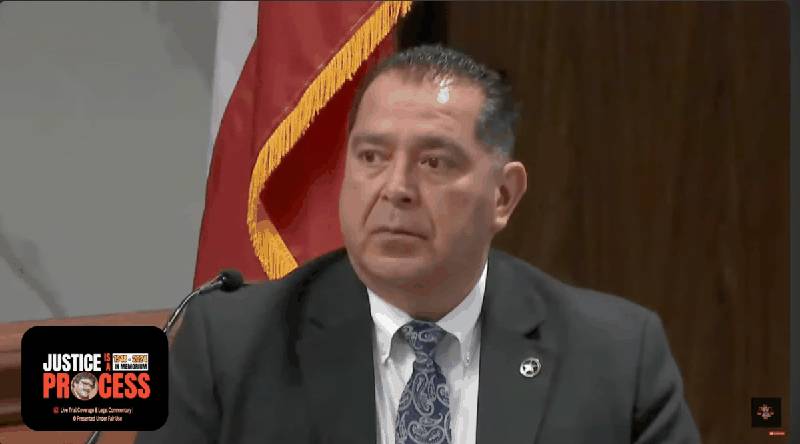
Today in the Adrian Gonzales trial, the prosecution called a retired Texas Ranger to walk the jury through over 160 crime scene photographs from Room 111 at Robb Elementary. The testimony was supposed to establish the horror of what happened inside that classroom while officers waited in the hallway.
It did that. The judge warned the gallery beforehand that the photos would be "shocking and gruesome." The witness described blood evidence that "changed dramatically" as they reached the corner of the room, the corner farthest from the door and windows, where children had been told to hide under desks and stay quiet.
But something else happened on cross-examination. Defense attorney Goss turned the prosecution's own witness into a defense exhibit.
The Physics of Shell Casings
Here's what you need to understand about an AR-15 style rifle like the Daniel Defense M4 the shooter used that day: when it fires, the ejection port is on the right side of the weapon. Shell casings eject to the right of the shooter's path.
This isn't opinion. This is physics. Unless you're holding the rifle upside down, the casings go right.
Goss asked the witness about this directly. The witness, a crime scene expert with 11 years as a Texas Ranger and experience processing four mass shooting scenes, confirmed it. Casings eject to the right. If you're shooting while walking a particular path, you leave a trail of brass to your right.
The State's Map, The Defense's Point
The prosecution has a map. It shows the shooter's path from where he crashed his truck near the school to where he entered the building and eventually Room 111. Goss pulled up that map and walked the witness through it.
If the shooter fired shots while walking this path, where would the casings be?
To the right of the path. Consistent with the route shown on the state's own exhibit.
Now here's the question the defense wants the jury asking: If witnesses claim the shooter was in a certain location, firing shots, where are the casings that would prove it? Physical evidence doesn't lie. Physical evidence doesn't have faulty memory. Physical evidence doesn't change its story.
The prosecution's case against Adrian Gonzales depends heavily on witness testimony about where the shooter was and what Gonzales should have seen. If the shell casing evidence contradicts that testimony, the physical record undermines the eyewitness accounts.
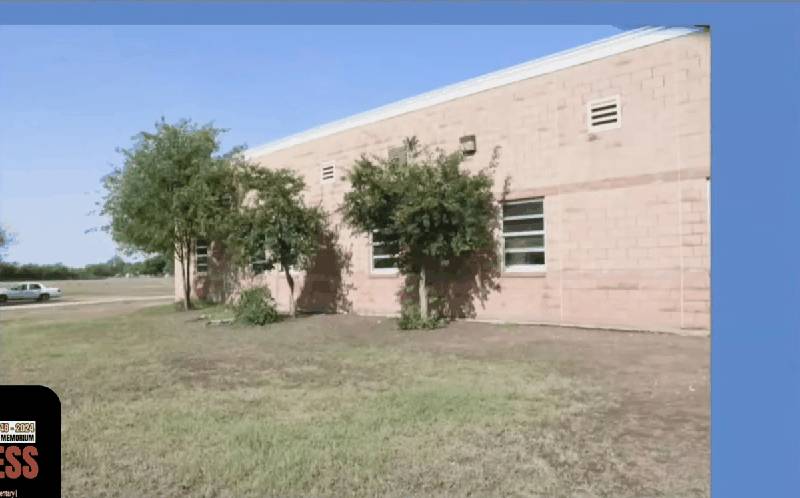
The Fatal Funnel
Goss didn't stop there. He got the witness to explain what a "fatal funnel" is, a concept any trained officer knows. When you're approaching a doorway and someone inside has a weapon, that doorway becomes a kill zone. Officers are trained to avoid fatal funnels because, as the witness confirmed, "a dead police officer doesn't help anybody."
The witness also confirmed that one police officer after another going in and dying and stacking up in front of that door is not going to save any of those children. Officers are "taught to get away from the fatal funnel."
This matters because the prosecution's theory is that Gonzales failed to act. But if standard law enforcement training tells officers to avoid rushing into fatal funnels, then following that training isn't criminal negligence. It's doing what you were taught.
What the Jury Learned Today
The prosecution wanted the jury to see crime scene photos and feel the weight of what happened in Room 111. Mission accomplished. Those photos are devastating.
But the defense wanted something else. They wanted the jury to understand that physical evidence tells a story, and that story might not match what witnesses claim they saw. They wanted the jury to know that officers are trained to avoid certain death, not to run headlong into it.
The prosecution's witness helped them make both points.
This is what I mean when I say watch the system operate. Today, a witness called by the state ended up supporting defense arguments. That happens in trials. The question is whether the jury was paying attention.
▶️ WATCH NOW Defense: Shell Casings Prove Shooter Was Never Where State Claims | Uvalde Officer TrialWhat This Means Going Forward
Adrian Gonzales is charged with 29 counts of child endangerment. The prosecution has to prove he failed to act when he had a duty to act, and that his failure placed children in danger.
If the physical evidence shows the shooter wasn't where witnesses say he was, then maybe Gonzales couldn't have seen him. Maybe he couldn't have engaged him. Maybe the state's entire theory of where Gonzales was positioned relative to the shooter falls apart.
That's a big "if." But after today's testimony, it's an "if" the jury has to consider.
The defense isn't arguing that what happened at Robb Elementary wasn't horrific. They're not arguing that the law enforcement response wasn't a catastrophic failure. They're arguing that Adrian Gonzales specifically, as an individual officer, didn't commit a crime.
And today, the prosecution's own expert gave them ammunition for that argument.
I'll be watching to see how the state responds. Do they have witnesses who can place the shooter in locations that match the casing evidence? Can they explain away the physical record? Or will this become a case where eyewitness testimony and forensic evidence tell two different stories?
In criminal trials, when there's a conflict between what witnesses say and what the physical evidence shows, the defendant usually benefits. Reasonable doubt lives in that gap.
Today, the defense started building that gap with the prosecution's own witness.
Watch the system. Question everything.
— Justice
Latest from the Desk
Want More?
Subscribe to Justice Is A Process on YouTube for live trial coverage, No Breaks editions, and breaking news as it happens.
🔴 Subscribe on YouTube111,000+ subscribers watching the system with us
Join the Discussion