The Dirtiest Play I've Ever Seen
Prosecutors in the Uvalde trial sequenced witnesses to smuggle struck testimony back to the jury. The order they called them proves they knew exactly what they were doing.
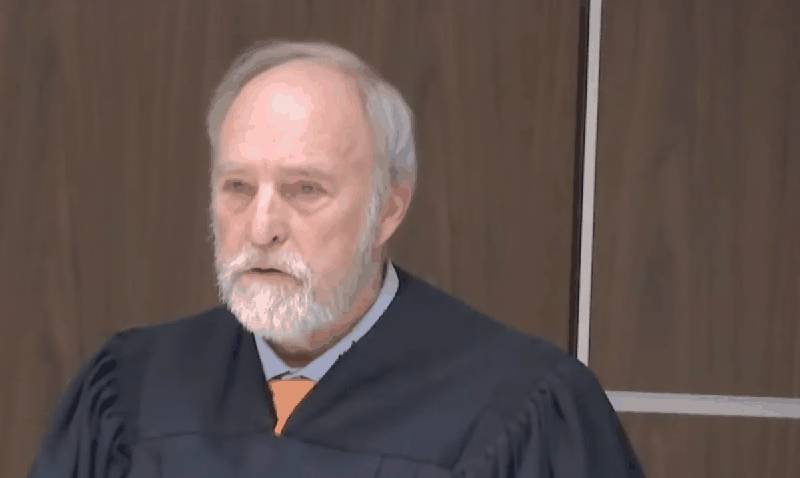
I've watched a lot of trials. Covered prosecutorial misconduct. Seen the system cut corners, hide evidence, and prioritize convictions over truth. But what I watched today in the Adrian Gonzales trial was different.
This wasn't incompetence. This was a chess game. And the prosecution played it knowing full well they were violating a man's constitutional rights.
Why The South Side Matters
Before I explain what happened, you need to understand the geography. Adrian Gonzales arrived on the west side of Robb Elementary. The defense's entire case rests on a simple argument: from where Gonzales was positioned, he could not see the shooter. He didn't know if this was an active shooter situation or someone fleeing from the vehicle accident. Multiple officers on scene that day thought the same thing. They assumed the armed man was running from law enforcement, trying to cut through the school to escape out the east side.
So when a witness claims she saw the shooter on the south side of the building, near the PE area, shooting at teachers and children on the playground, that's not just emotional testimony. That's testimony designed to prove the shooter was visible to the defendant. That he should have seen him. That he should have known.
And that testimony was never disclosed to the defense until trial.
The Setup
Day 2 started with Stephanie Hail back on the stand for cross-examination. On Day 1, she had testified to something she'd never mentioned before: she saw a man dressed in black with a gun on the south side of the building, and she saw dirt kicking up on the playground around her, which she believed was from gunfire directed at her and the children.
This was explosive. And it had never been disclosed. Not to the Texas Ranger who interviewed her four days after the shooting. Not to the grand jury years later. The prosecution claims she first mentioned seeing the shooter in a December 2025 meeting, just weeks before trial. They say she only told them she "saw the shooter" but not the specific location.
I call BS. And the way they presented their witnesses proves it.
The defense moved for a mistrial. The judge denied it but gave them time to prepare cross-examination. Today, they used that time to devastating effect. They played Hail's original statement to the Ranger, where she never mentioned seeing a shooter, never mentioned being shot at. The jury heard her own words from four days after the tragedy, contradicting what she'd told them two days ago.
The judge had no choice. He struck her entire testimony.
The judge even called Hail back to the bench privately and told her she did nothing wrong. That this wasn't on her. That trauma changes memory. He was gentle with her.
But here's where it gets dirty.
The Gambit
Before the judge struck the testimony, the prosecution argued for a partial solution. They wanted the court to instruct the jury to disregard only the specific undisclosed details, the part about seeing the shooter in black clothing. They wanted to keep the emotional core: the dirt kicking up, the terror on the playground.
The judge refused. All or nothing. Gone.
But the prosecution had already prepared for this. Because look who they called next.
The Corroboration
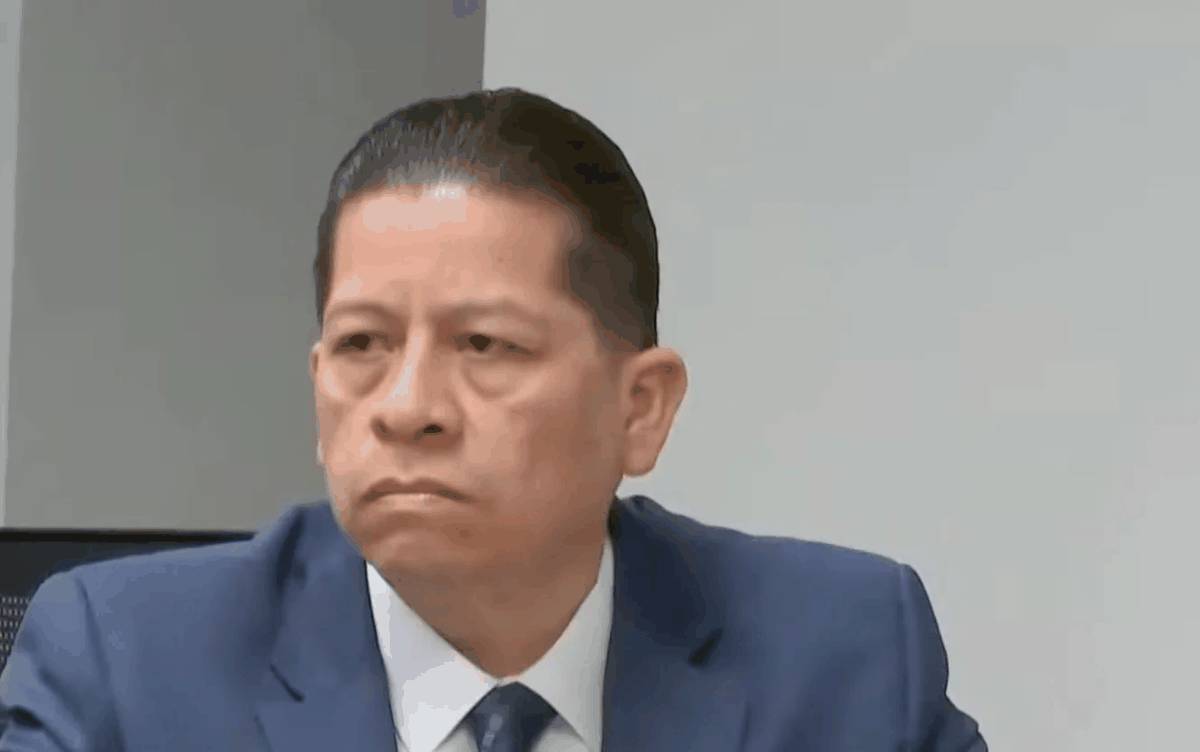
Amy Franco Marin was the ACE coordinator at Robb Elementary. She was waiting outside the west gate to receive groceries when she heard the crash. She ran toward it to help. She saw funeral home workers fleeing, heard one scream "He's got a gun," and sprinted back inside. She called 911.
And then she testified that she watched through the window as the shooter approached the school. That she saw him shooting toward the south side of the building. That she heard children screaming.
She didn't claim to see the shooter standing on the south side like Hail did. She couldn't. She was watching from the west entrance. But she testified to seeing him shoot toward the south side. Toward the PE area. Where Hail said she saw dirt kicking up.
Do you see what they did?
The prosecution knew Hail's testimony about seeing the shooter was shaky. They knew the disclosure was late. They knew it might get struck. So they sequenced their witnesses to have Marin corroborate the part they needed most: that shooting was happening on the south side, toward the playground, toward the children.
If the judge had done what the prosecution asked, if he'd struck only the "I saw the shooter" portion and left in the "dirt was kicking up around us" portion, then Marin's testimony would have completed the picture. Hail says she was being shot at. Marin says she saw the shooter firing toward that exact area. Two witnesses. One story. Checkmate.
The judge's decision to strike everything threw a wrench in that plan. But Marin's testimony still went in. The jury still heard about shooting toward the south side. They still heard children screaming. And Marin's emotional account of hiding under a counter for 40 minutes, planning how to fight the shooter with her bare hands if he came through her door, landed with devastating impact.
The Visual
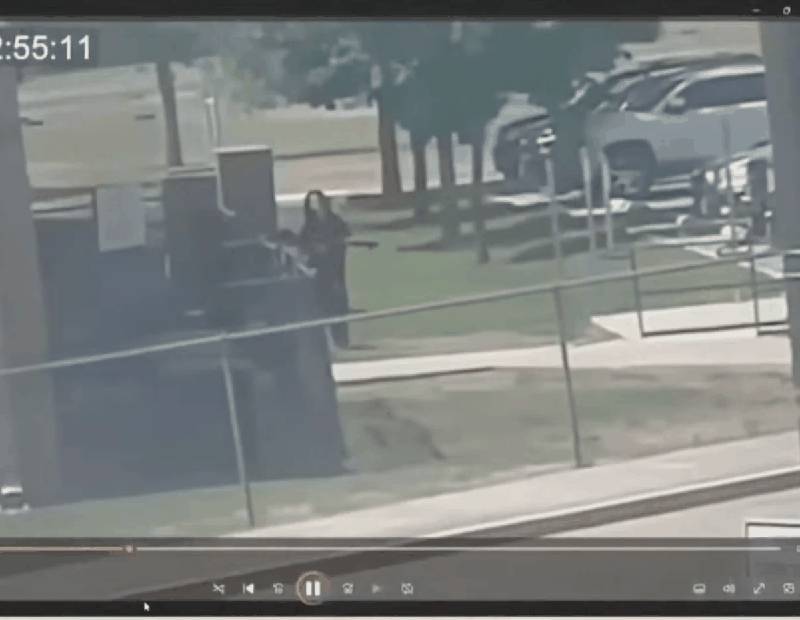
Then came Jose Hill. A neighbor. Young guy who lives across from the school. He heard what sounded like construction. Then maybe gunfire. He looked out his second-floor window and saw someone about to enter the school. He recorded it on his phone.
His testimony lasted six minutes. His purpose was simple: authenticate State's Exhibit 18.
The jury watched the video. They saw the shooter walking into the west entrance of Robb Elementary School.
Think about what that video means in context.
If Stephanie Hail's original testimony had held up, if the jury believed she saw the shooter on the south side shooting at her and the children, then this video becomes evidence of a preventable massacre. That's the shooter walking in. That's the moment someone should have stopped him. That's what Gonzales allegedly failed to do.
Instead, he walks in. And the killing begins.
The Pattern Proves The Plan
The order of witnesses tells you everything.
Witness 1: Stephanie Hail. Claims she saw the shooter on the south side, near the PE area. Claims she was being shot at. Testimony gets struck, but not before the jury hears her original statement to the Ranger played back, showing inconsistencies.
Witness 2: Amy Franco Marin. Describes seeing the shooter firing toward the south side of the building. Toward the children. Corroborates exactly what Hail said about where the shooting was directed, just from a different angle.
Witness 3: Jose Hill. Authenticates the video of the shooter entering the building.
The prosecution didn't accidentally put these witnesses in this order. They knew what Hail was going to say because they met with her in December. They knew Marin would corroborate the south side shooting because they prepped her too. They knew the video would seal the emotional impact.
This was choreographed. And the choreography proves they had Hail's new testimony well in advance. They had time to sequence witnesses to support it. They just didn't bother telling the defense.
Why This Matters
Adrian Gonzales is entitled to a fair trial. I don't care what you think he did or didn't do. I don't care how angry you are about Uvalde. The constitutional protections we have exist for moments exactly like this, when the entire country wants someone to pay, when the grief is overwhelming, when the pressure to convict is enormous.
Brady v. Maryland established that prosecutors must turn over exculpatory evidence to the defense. That's not optional. That's not a suggestion. That's the law. When prosecutors withhold evidence and then sequence witnesses to work around the consequences when they get caught, they're not seeking justice. They're gaming the system.
My father spent 23 years as a criminal defense attorney. He was criminally prosecuted twice for standing on constitutional principles. The first time, for refusing to violate attorney-client privilege. The second time, for helping people understand their rights from a coffee shop. A prosecutor opposed his law license reinstatement because she feared he would "disrupt the legal system" by training young lawyers to insist on constitutional protections.
He understood something that too many people forget: the protections we give to criminal defendants aren't there because we like criminals. They're there because we don't trust the government with unlimited power. Because without those protections, the state can destroy anyone it wants to destroy.
Today, I watched the state try to do exactly that. Not with brute force. With strategy. With sequencing. With a backup plan for when they got caught violating the rules.
That's the dirtiest play I've ever seen.
▶️ WATCH NOW TX v. Adrian Gonzales - Day 2 - Witness 1 (Stephanie Hail) ▶️ WATCH NOW TX v. Adrian Gonzales - Day 2 - Witness 2 (Amy Franco Marin) ▶️ WATCH NOW TX v. Adrian Gonzales - Day 2 - Witness 3 (Jose Hill)The trial continues. We'll be watching. And we'll keep asking the question this prosecution doesn't want anyone to ask: What happens to constitutional rights when the prosecutors decide winning matters more than fairness?
Latest from the Desk
Want More?
Subscribe to Justice Is A Process on YouTube for live trial coverage, No Breaks editions, and breaking news as it happens.
🔴 Subscribe on YouTube111,000+ subscribers watching the system with us
Watch the system. Question everything.
— Justice
Join the Discussion