How Police Tracked Teen Killers After Grandmother's Murder
Walmart surveillance, license plate cameras, and a storage unit full of guns
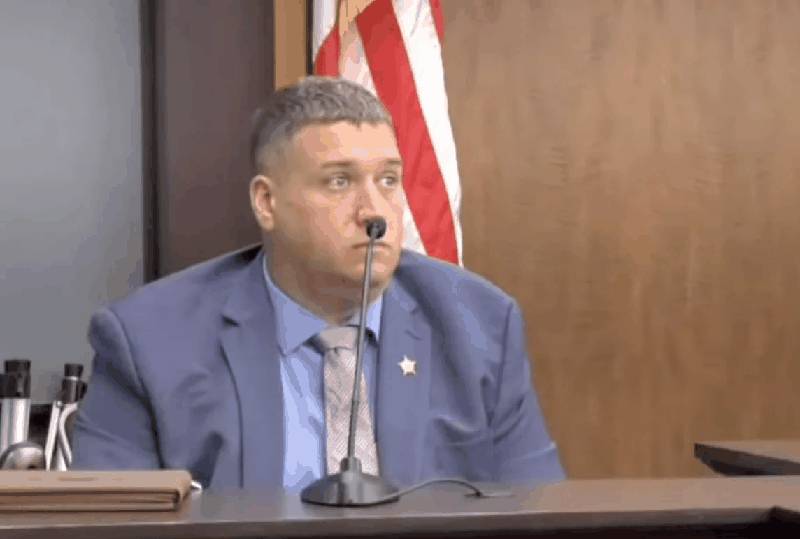
Day 3 of the Texas v. Uriah Urick trial picked up right where Day 2 left off. Detective Bryan Bernard was still on the stand, still under oath, and the state was ready to walk the jury through exactly how they tracked two teenagers from a crime scene in Bacliff, Texas to the Mexican border.
Tammy King was 61 years old when she was found shot dead in her home. Her granddaughter Tara, 17, and Tara's boyfriend Uriah Urick, 18, are charged with capital murder. Today the jury saw the receipts. Literally.
The Walmart Video
The state played surveillance footage from a Walmart on Highway 518. Three different camera angles told the story.
First, the checkout camera. It caught Tara King at the self-checkout, scanning red boxes of Revlon hair dye. She paid cash. No card to trace.
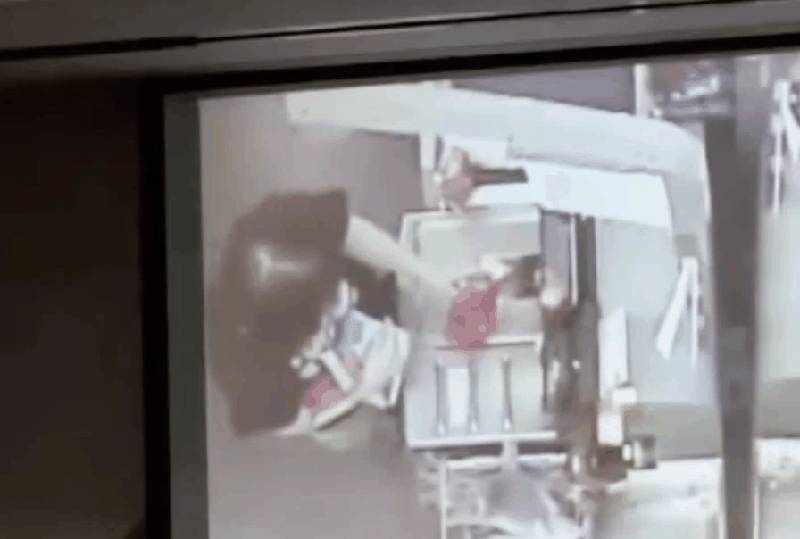
The entrance video shows Tara walking into the store with Christian Atkins. But the parking lot footage is where it gets interesting.
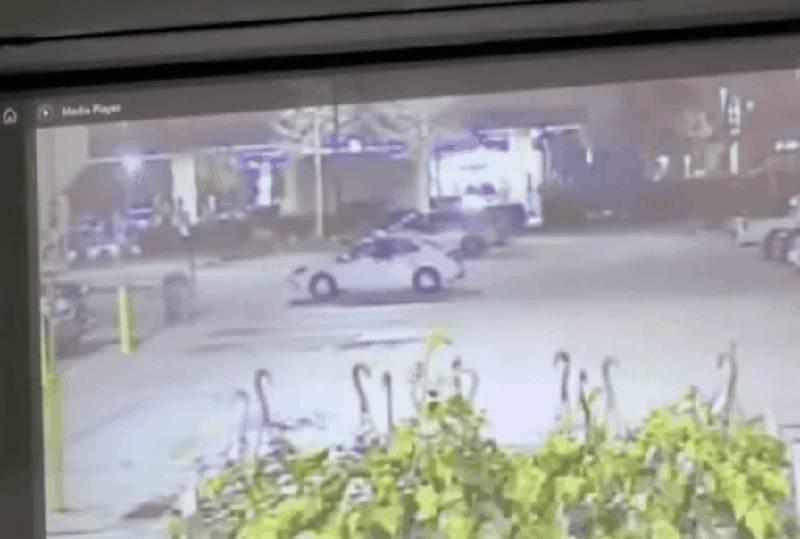
Both Tara and Christian got into the driver's side of Christian's white Jeep. Both of them. Same door. The detective acknowledged they couldn't see anyone get into the passenger side. But that doesn't mean no one was already in the car. Was Uriah hiding while Tara ran in to buy supplies? The video doesn't answer that. But the question hangs there.
The Camera Systems
Detective Bernard explained two different systems law enforcement uses to track vehicles.
Flock cameras are set up inside towns and cities. They capture license plates and timestamp when a vehicle passes. Vigilant cameras sit on highways and freeways, catching vehicles on longer stretches.
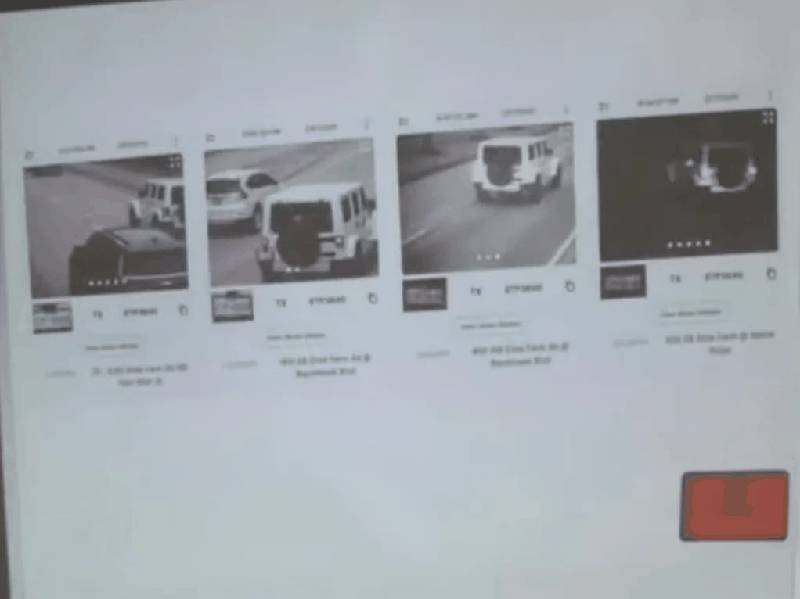
The state first tracked Christian Atkins's distinctive white Jeep with blue door handles through the Flock system. His movements matched the timeline he gave police. Coming and going from work at Energy Metals in Friendswood. Nothing suspicious. Christian's story checked out.
Tracking the Escape to Laredo
Instagram search warrants had revealed that Travis Hodge, a 35-year-old the state says was selling meth to the teens, drove Tara and Uriah to Laredo on February 7th and 8th. The highway camera system confirmed it.
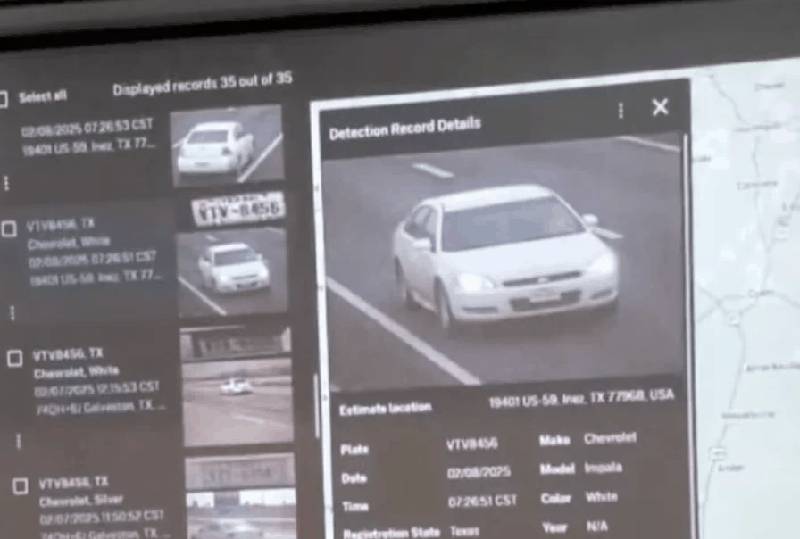
Travis Hodge's white Chevy Malibu was captured on US 59 heading southwest. The visual map shown to the jury traced the route from the Houston area toward Laredo, near the Mexican border. That's about 300 miles from Bacliff.
On Sunday, February 9th, law enforcement arrested Tara and Uriah in Laredo with help from the U.S. Marshals.
The Storage Unit Timeline
Here's where the timing matters. On that same Sunday, February 9th, while the teens were being arrested in Laredo, Travis Hodge was 300 miles away signing a rental agreement for Unit 191 at a Public Storage facility in Texas City.
The detective obtained gate records from the storage facility manager. Travis entered that unit on February 9th at 4:31 PM. Then he kept coming back. February 14th. The 18th. The 19th. The 25th.
February 25th was his last visit. Police arrested him on February 26th.
The Traffic Stop
Detective Bernard located Hodge's Malibu parked at a house on Louisiana Avenue in Bacliff. He sat on it, watching from down the street. When Hodge backed out and drove toward an elementary school, the detective observed a traffic violation and radioed Sergeant Fowler to make the stop.
Hodge took a while to pull over. When he finally did and got out, the detective approached the open driver's door and looked down.
Methamphetamine. In plain view.
Inside the car they found more meth, a set of keys, and a magnetic box. Those keys led them to the storage unit.
A consent search of Unit 191 revealed firearms, magazines, and a broken iPad. The state's theory: Travis Hodge was storing evidence from the murder scene, including stolen guns.
What the Defense Got
On cross-examination, Uriah's defense counsel pressed on the state of the crime scene. If this was a robbery gone wrong, why were valuable guns left behind? More than five but less than fifteen firearms were still strewn around the living room when police arrived. Untouched.
The detective admitted he could tell the difference between ransacked and messy. The living room and Tammy's bedroom looked ransacked. Credit cards scattered. A wallet thrown behind the couch. An AR-15 back there too. Marijuana. The mattress shoved against the bathroom door. Boxes knocked over.
But Tara's room? Just messy. The kitchen? Just cluttered. Not ransacked.
Here's the detail that stood out: Detective Bernard originally wrote the first search warrant for burglary with intent to commit another felony. Not murder. That's how the investigation started. The capital murder charge came later as evidence developed.
▶️ WATCH THE FULL TESTIMONY How Police Tracked Teen Killers After Grandmother's MurderWhat We're Watching
The prosecution is building a timeline. Walmart surveillance on the day of the murder showing Tara buying hair dye with cash. Vehicle tracking from Houston to the border. A storage unit rented 300 miles away on the same day as the arrests. Guns inside that unit.
But the defense landed a punch. Why leave valuable firearms behind if robbery was the motive? And why did police initially treat this as a burglary scene?
Uriah Urick is presumed innocent. The state has to prove capital murder beyond a reasonable doubt. Today was about tracing the escape and connecting Travis Hodge to the stolen property. The killing itself? That comes next.
The prosecution called Dr. Monica Patel after Detective Bernard stepped down. That's likely the medical examiner. We're about to hear exactly how Tammy King died.
Watch the system. Question everything.
— Justice
Explore More Coverage
Want More?
Subscribe to Justice Is A Process on YouTube for live trial coverage, No Breaks editions, and breaking news as it happens.
🔴 Subscribe on YouTube111,000+ subscribers watching the system with us