Two Trials, Two Chances: How California's Bifurcated System Could Define the Reiner Case
Beyond the insanity defense: why evidence questions matter before mental state ever comes into play
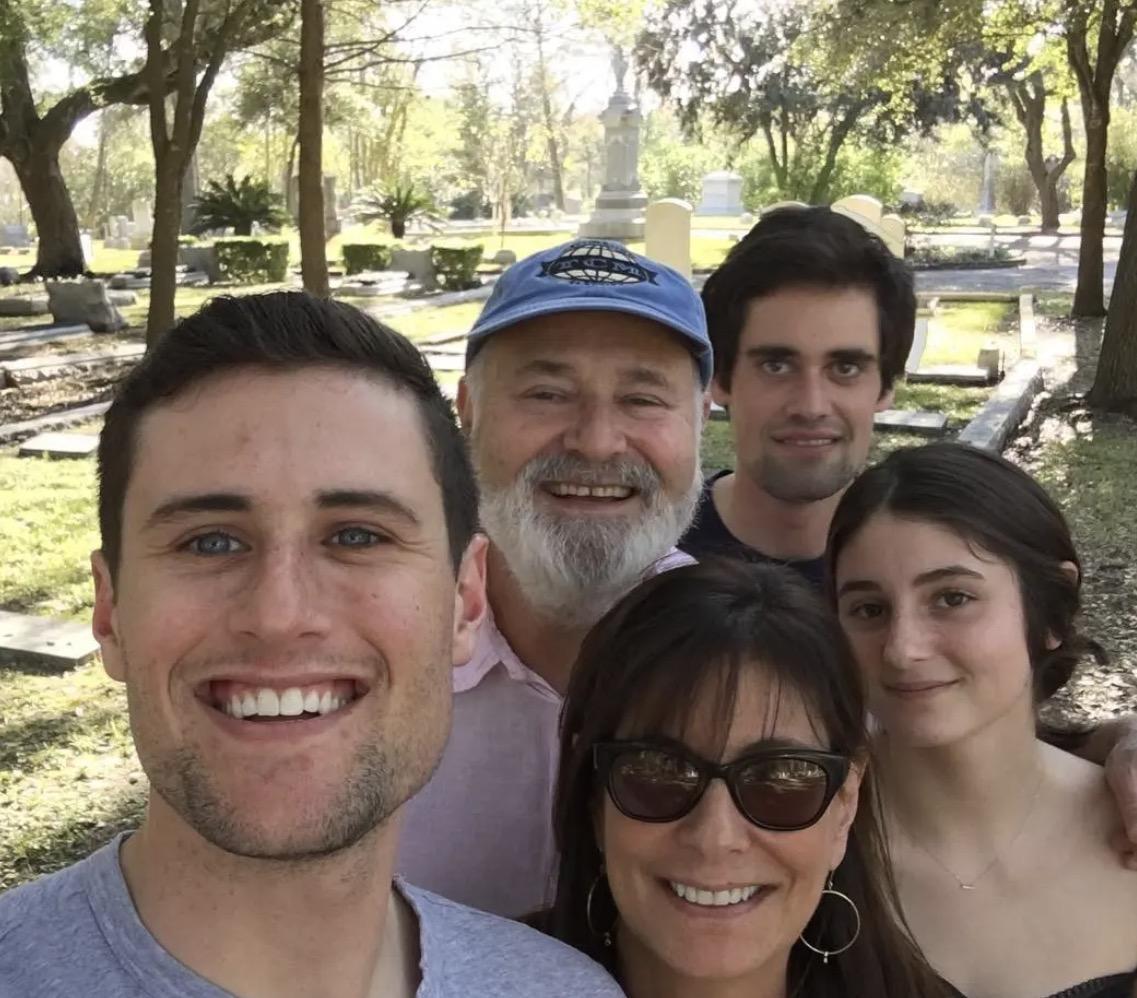
On Friday, a judge in Los Angeles signed a sealed medical order in the Nick Reiner case.
We don't know what's in it. The contents haven't been disclosed. But when a medical order gets sealed nine days after a double homicide arrest, before an arraignment even happens, that tells us something. Something important about where this case is going.
Nick Reiner hasn't entered a plea. His arraignment was postponed twice. He showed up to court in a suicide prevention smock and said three words: "Yes, your honor." His attorney, Alan Jackson, described "very complex and serious issues" that need to be "thoroughly but very carefully dealt with."
Now we know what he was talking about.
The Ghost of Redmond O'Neal
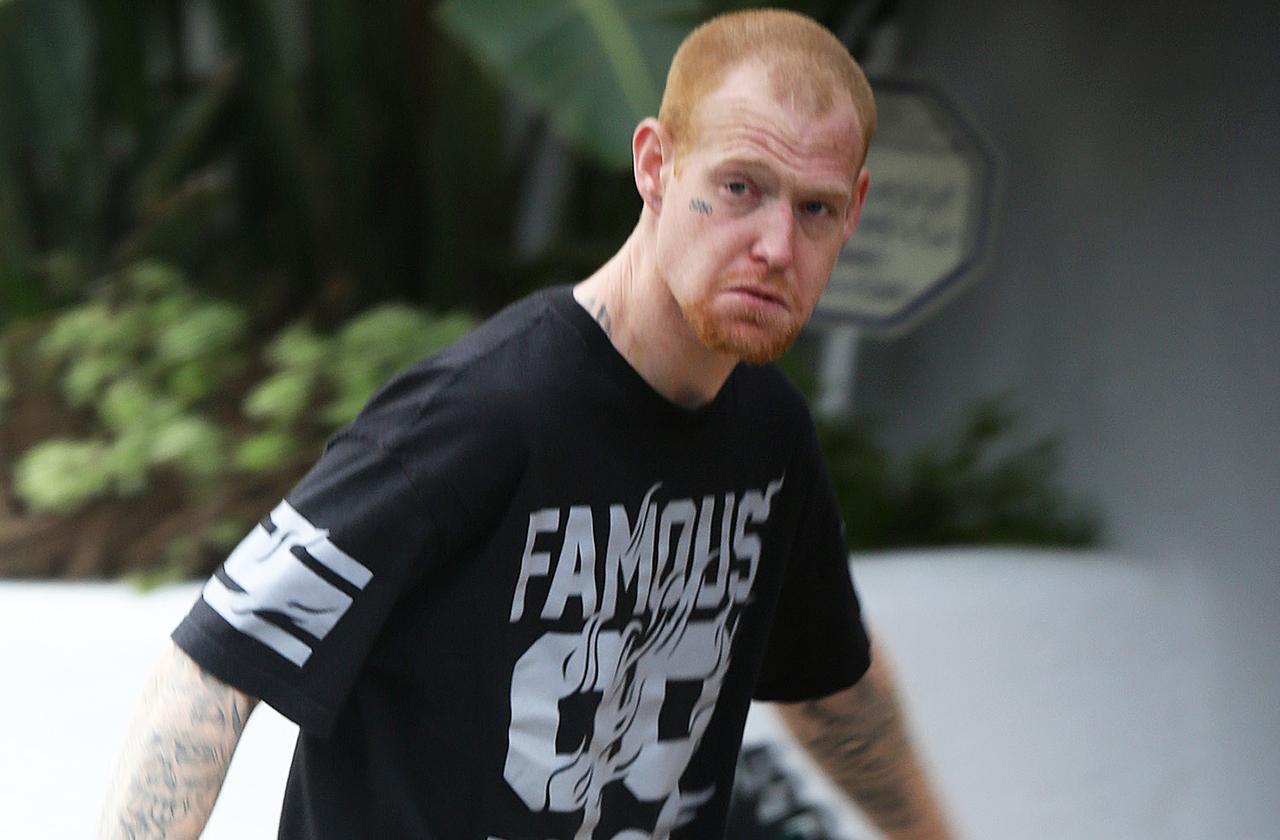
If you want to know what's coming for Nick Reiner, look at Redmond O'Neal.
The son of Farrah Fawcett and Ryan O'Neal. Another Hollywood kid born into fame. Another one who struggled with addiction from a young age, in and out of rehab more times than anyone could count. Another one diagnosed with schizophrenia.
In May 2018, Redmond O'Neal went on a brutal knife rampage across Los Angeles. He stabbed one man in the side near the Venice boardwalk. Hours later, another man was found in a pool of blood, stabbed in the face and neck. Five victims in total over a week. Charges: attempted murder, assault with a deadly weapon, criminal threats, battery.
Sound familiar?
When his mental health was evaluated, they found schizophrenia, bipolar disorder, and antisocial personality disorder. And here's where it gets relevant to what's happening right now in Los Angeles.
Redmond O'Neal was declared incompetent to stand trial.
What followed was seven years of legal limbo. Shuttled between courtrooms, psychiatric hospitals, and jail cells. The criminal case frozen while the state tried to figure out what to do with him.
— Dr. Natalie Sobel, forensic psychologist
O'Neal was institutionalized at Patton State Hospital.

His mother died from cancer in 2009. His father died from heart failure in 2023. Redmond attended his mother's funeral under police supervision. He did not attend his father's. He remained in state custody, living in a psychiatric fog, crying uncontrollably during rare moments of clarity.
Now, after seven years, a court has ruled that Redmond O'Neal has finally been restored to competency. The attempted murder charges are moving forward. There's a hearing set for January.
January. The same month Nick Reiner's arraignment is scheduled.
What That Sealed Order Tells Us
When a sealed medical order gets signed this early in a case, before the defendant has even entered a plea, it usually means one of two things: either the defense is already laying groundwork for a mental health argument, or the court has concerns about the defendant's ability to participate in proceedings.
Probably both.
Alan Jackson isn't talking strategy publicly. He knows better than that. But we can read between the lines. When he stood outside that courthouse and said there are "very complex and serious issues that need to be thoroughly but very carefully dealt with and examined," he wasn't being vague. He was telegraphing exactly what's coming.
Professor Deborah Denno at Fordham Law told the New York Post something interesting though. Nick Reiner might not be as easy a case for incompetency as Redmond O'Neal was.
"He's a smart guy who has made films and did press tours, and he was functional enough to attend a party the night before the killings," Denno pointed out. "The legal standard for incompetency is whether or not you can understand the nature of proceedings."
That's the wrinkle. Nick Reiner wasn't wandering the streets of Venice stabbing random strangers. He co-wrote a film with his father. He did media interviews. He was at Conan O'Brien's holiday party with his parents the night before they died. He checked into a hotel, bought a drink at a gas station, walked around Los Angeles for hours before his arrest.
Psychotic? Possibly. Incompetent to stand trial? That's a higher bar.
What Happens January 7th

Nick Reiner is scheduled to be arraigned on January 7th. He'll enter a plea. Or he won't.
If Alan Jackson raises concerns about his client's mental competency, the judge will likely order a psychological evaluation. Maybe multiple evaluations. That alone could take months.
If Nick is found incompetent, the criminal case pauses. He gets shipped to a state psychiatric facility for treatment. The goal becomes restoring him to competency so he can understand the charges against him and assist in his own defense. That could take years. Ask Redmond O'Neal.
If he's found competent, we move toward trial. And here's where most of the coverage is missing something crucial.
Two Trials, Two Chances
California uses what's called a "bifurcated trial" for insanity cases. It's not one trial. It's two.
Phase 1: The Guilt Trial. This is a standard criminal proceeding. The prosecution has to prove beyond a reasonable doubt that the defendant committed the acts. Did Nick Reiner kill his parents? That's the only question. Not why. Not his mental state. Just: did he do it?
If the jury says no, it's over. He walks.
Phase 2: The Sanity Trial. Only after a guilty verdict does the insanity defense come into play. That's when the schizophrenia diagnosis, the medication changes, the psychiatric history get presented. That's when the defense tries to prove Nick didn't understand what he was doing or couldn't distinguish right from wrong.
See why this matters?
The prosecution has to win Phase 1 first. And right now, there are questions. DA Hochman was cagey about the murder weapon: "As to where and how the weapon was located, or will be located, that will actually be evidence we'll present in court." The police chief admitted they didn't have a time of death as of the charging announcement. Nick was arrested 15 miles away, looking calm enough that the gas station attendant thought he was just a regular customer.
First-degree murder requires premeditation. The state has to prove Nick planned this, not that he snapped. With a knife. In his parents' bedroom. While his schizophrenia medication was reportedly making him "erratic and dangerous."
Look at Alan Jackson's track record. Karen Read? He attacked the evidence as "completely compromised" and got her acquitted of second-degree murder. Kevin Spacey? Called the prosecution's case "smoke and mirrors." Charges dropped. Harvey Weinstein? Attacked the accusers and the evidence at every turn. Jackson doesn't just play defense. He dismantles prosecutions.
Nobody's saying this case is like Karen Read. The facts are different, the tragedy is different. But Jackson isn't a lawyer who shows up to negotiate a plea. He's a lawyer who shows up to fight.
Professor Deborah Denno at Fordham told the New York Post that "the immediate, primary goal will be to take the death penalty off the table." Maybe. But Jackson didn't become one of the most feared defense attorneys in the country by pleading cases out. He got there by making juries question the prosecution's evidence.
California's bifurcated system gives Nick Reiner two distinct chances. And with Alan Jackson at the table, expect both to be used.
Here's the thing about insanity defenses though: they almost never work. Dr. Sobel says only about 25% of NGRI (Not Guilty by Reason of Insanity) defenses succeed. The legal standard isn't just whether someone is psychotic or mentally ill. It's whether they could distinguish right from wrong at the moment they acted.
"Someone can be psychotic or mentally ill and still be sane, in the eyes of the law," Sobel said. "Being high on drugs is not enough to legally meet the criteria for a Not Guilty by Reason of Insanity defense in California."
That's the Phase 2 problem. But Phase 1 comes first. And in Phase 1, evidence matters.
Twenty Years of Warning Signs
The New York Post ran a story last week quoting a family friend who said Nick's outbursts were so severe when he was 11 years old that he had to be restrained with "bear hugs."
Eleven. Twenty years ago.
By 15, he was abusing drugs. By 22, he'd been to rehab eighteen times. His parents poured everything they had into treatment programs that didn't work. "The program works for some people, but it can't work for everybody," Rob Reiner told the Los Angeles Times back in 2015. "When Nick would tell us that it wasn't working for him, we wouldn't listen."
Experts at Northeastern University are asking the question now: Did years of treating Nick's addiction mask an underlying psychiatric condition? When you put someone in rehab for drugs over and over, are you treating the symptom and missing the disease?
Michele Reiner reportedly told friends in the weeks before her death: "We've tried everything."
Maybe they did. Maybe they tried everything the system offered. And maybe everything the system offered was the wrong thing.
Where This Is Going

Here's my prediction.
January 7th, Nick Reiner either enters a not guilty plea or his attorney asks for more time based on competency concerns. If it's the latter, expect psychological evaluations that stretch into spring. If he's found incompetent, the case gets frozen and Nick gets shipped to a state psychiatric facility. Could be years before we see a trial.
But if he's found competent? That's when it gets interesting.
Phase 1 becomes the first battleground. Alan Jackson will probe every weakness in the prosecution's case. The timeline. The weapon. The premeditation question. First-degree murder isn't just proving someone killed, it's proving they planned to kill. With a defendant whose medication was making him "erratic and dangerous," that's not a slam dunk.
If Jackson can create reasonable doubt in Phase 1, the insanity defense never even comes up. Nick walks.
If Phase 1 results in a conviction, then we move to Phase 2. That's when the schizophrenia, the medication changes, the twenty years of warning signs become the central question. That's when the defense tries to prove Nick didn't understand what he was doing was wrong.
Redmond O'Neal spent seven years in limbo before the courts decided he was ready to face trial. Nick Reiner has different facts, different charges, and different legal exposure. But he also has a different lawyer. Alan Jackson didn't build his reputation on competency hearings and plea bargains. He built it on winning.
Will it work? I don't know. What I know is this: two people are dead. Their son allegedly killed them. And unlike what most coverage suggests, the question isn't just whether Nick was sane. The question is whether the prosecution can prove guilt beyond a reasonable doubt first.
That sealed medical order suggests mental state will be central to this case. But the bifurcated trial means evidence comes first. And Jackson knows how to attack evidence.
We're watching the system work in real time. The question is: which phase decides it?
January 7th is fifteen days away. I'll be watching. You should too.
Watch the system. Question everything.
— Justice
Explore More Coverage
Want More?
Subscribe to Justice Is A Process on YouTube for live trial coverage, No Breaks editions, and breaking news as it happens.
🔴 Subscribe on YouTube111,000+ subscribers watching the system with us
Discussion