Latest
Day 10
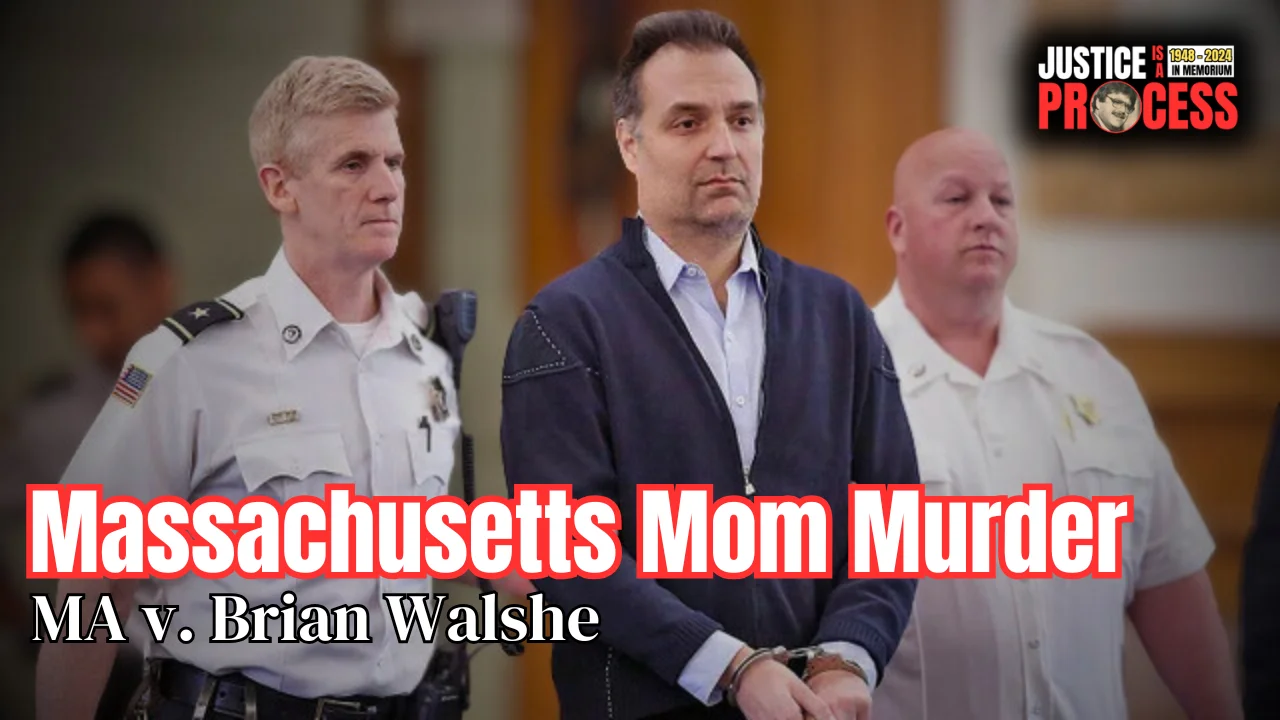
Day 10: The Case Continues
The prosecution presses forward as the jury weighs the mounting evidence against Brian Walshe.
Due Process. Presumption of Innocence. Constitutional Accountability.
Deep-dive legal analysis of criminal trials. No cheerleading for prosecution or defense. Just the truth about how the system works, and doesn't.
Premium legal analysis that teaches you to think like a lawyer and watch the system like a hawk.
Latest
Day 10
The prosecution presses forward as the jury weighs the mounting evidence against Brian Walshe.
Day 9
Key witnesses take the stand as the prosecution builds toward its conclusion.
Day 8
The jury sees more evidence as the prosecution's case takes shape.
Day 4
The most anticipated witness of the trial delivers testimony that changes everything.
Day 3
Physical evidence emerges that puts the investigation into sharp focus.
Background
The disappearance of Ana Walshe, the investigation, and everything leading to trial.
Also available: Day 7 · Day 6 · Day 5 · Day 2 · Opening Statements
Latest
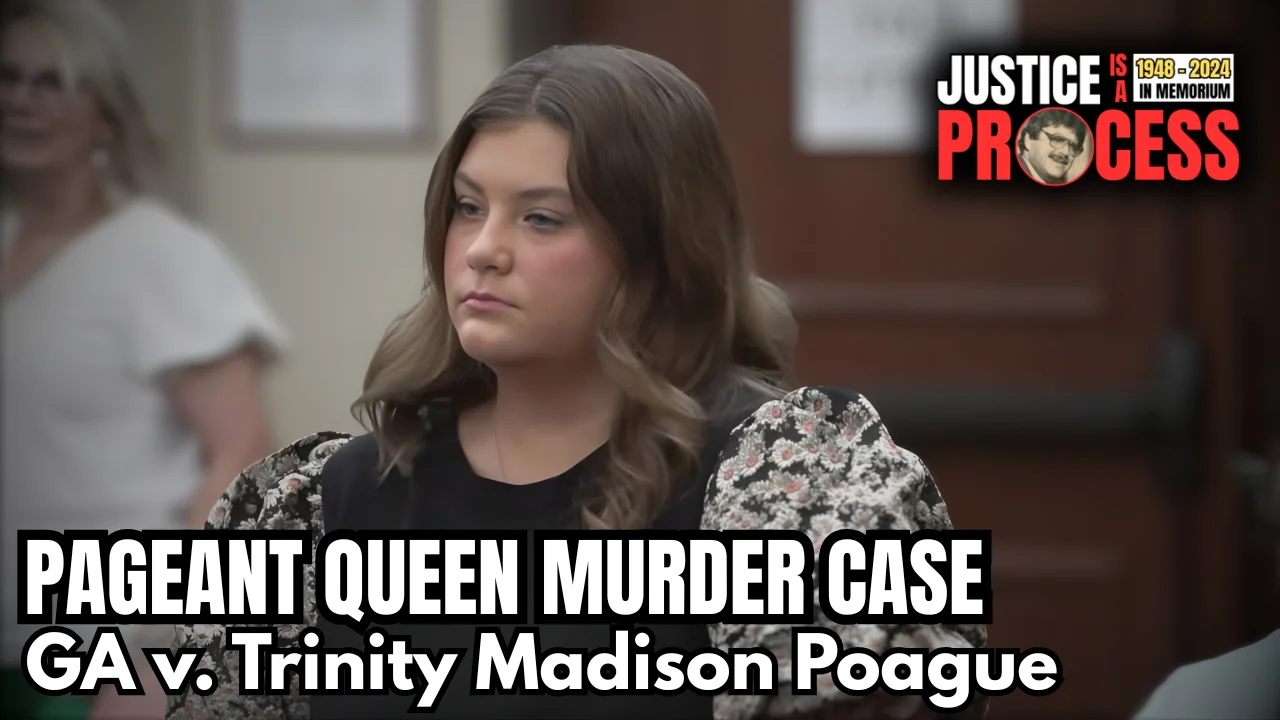
Day 4
Questions mount about how this investigation was conducted. What the jury saw raises serious concerns.
Day 3
Expert witnesses break down the medical findings as the prosecution builds its case.
Day 2
New witnesses take the stand as contradictions emerge in the narrative.
Day 1
Romeo Angeles was eighteen months old. Trinity Poague was a scholarship recipient. Now one is dead and the other faces life.
Background
Everything you need to know before watching the trial. The people, the charges, and what's at stake.
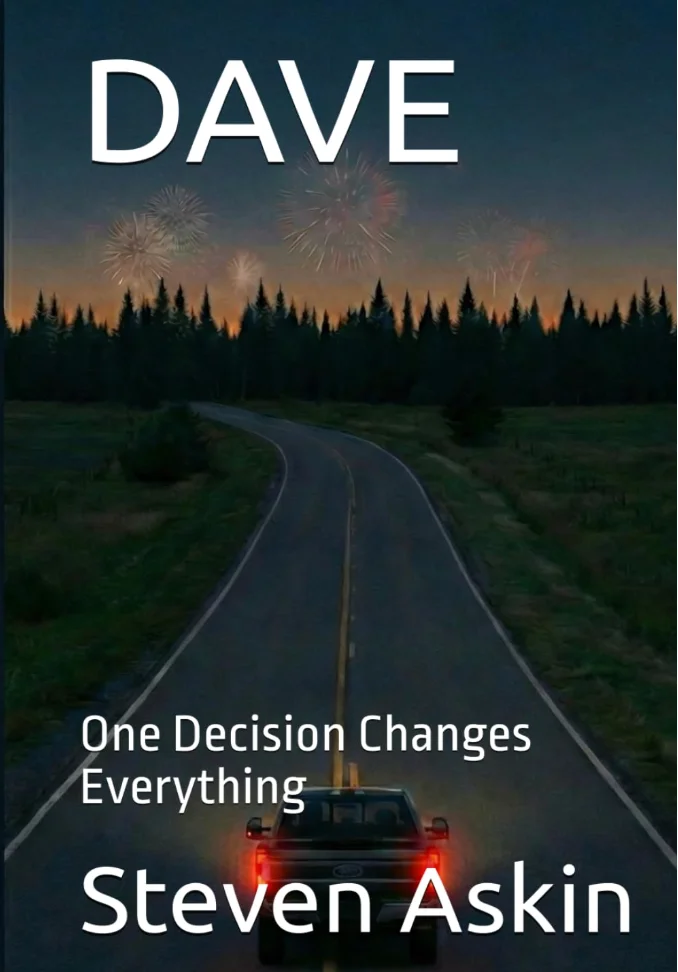
One Decision Changes Everything
A CPA's life is destroyed after a tragic accident. But was the process that convicted him actually just?
Dave Schrader had everything. A successful practice. A family who loved him. Then came the party, the dark country road, and the split-second choice that would cost a sixteen-year-old boy his life. What follows isn't just a story about guilt or punishment. It's a story about what happens when a man enters a system designed to produce outcomes, not fairness.
Justice isn't an outcome. Justice is a process.
Get the Book on AmazonIndependent legal coverage takes time, resources, and relentless effort. Here's how you can help continue the mission Steven M. Askin started.
One-time contributions go directly to supporting trial coverage, research, and keeping this operation running. No subscription needed.
Support on Ko-fiYouTube members get access to the live Toolkit folder with downloadable breakdowns, case documents, live stream perks, and badges.
Join on YouTubeOfficial merchandise. T-shirts, hoodies, mugs, and more. Every purchase supports independent legal coverage.
Shop Merchandise
I'm not a lawyer. I'm trained differently.
At age 12, I watched my father get indicted. I sat in the courtroom audience. I reviewed his files. I got an education no law school provides. I became a criminal defendant's family member facing the possibility of losing everything.
My father, Steven M. Askin, was a renowned West Virginia criminal defense attorney for 23 years. He was prosecuted twice by the system he challenged. First for protecting attorney-client privilege. Later for teaching people their constitutional rights from a coffee shop.
"The system only works if we force it to work. If we watch. If we question. If we refuse to let them operate in darkness."
Justice Is A Process continues his legacy. We cover trials not to entertain, but to educate. To teach people how the system really works. To be the watchdog the justice system needs.
1948 — 2024
Steven M. Askin was a West Virginia criminal defense attorney for 23 years. He wasn't just a lawyer. He was a fighter who believed that constitutional rights belong to everyone, not just those who can afford them.
In 1994, the federal government came for him. He refused to violate attorney-client privilege, even when a judge ordered him to testify. He went to prison for seven months. The West Virginia Supreme Court disbarred him in 1998.
But he didn't stop. He rebuilt. He became a street lawyer, working from coffee shops in Martinsburg, helping people the system abandoned. People who couldn't afford lawyers. People fighting Pro Se against a machine designed to crush them. He taught them the law. He showed them how to stand up for their rights. He did it for free, or for whatever they could afford.
In 2009, on the morning he was supposed to get his law license back, he was indicted on 11 counts of unauthorized practice of law. For helping people from a coffee shop. For teaching them their constitutional rights. The prosecutor said she feared he would "disrupt the legal system."
She was right to be afraid. His mission lives on.
"The system only works if we force it to work. If we watch. If we question. If we refuse to let them operate in darkness."
Follow his story in the documentary podcast series
Watch Episode 1: The Story BeginsNew episodes on the Justice Is A Process YouTube channel