Why Just Him?
The state's own expert just asked the question the prosecution can't answer
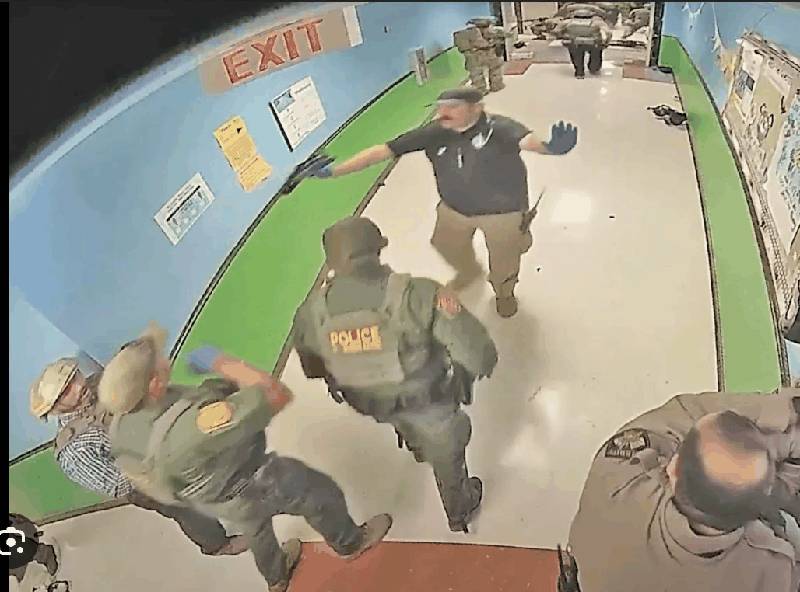
Today the prosecution called Michael Whitkall to the stand. Retired Dallas SWAT. 22 years teaching active shooter response. The man who personally trained Adrian Gonzales in April 2018. The state wanted him to nail down one thing: Gonzales knew exactly what to do, and he didn't do it.
It backfired.
On direct examination, Whitkall said all the right things. Officers must "stop the killing." You can't wait for backup. March to the sound of gunfire. Every second counts. People are dying. The prosecution was building toward an obvious conclusion: Adrian Gonzales was trained for this exact scenario and failed to act.
Then Nico LaHood stood up for cross-examination.
The Training That Wasn't
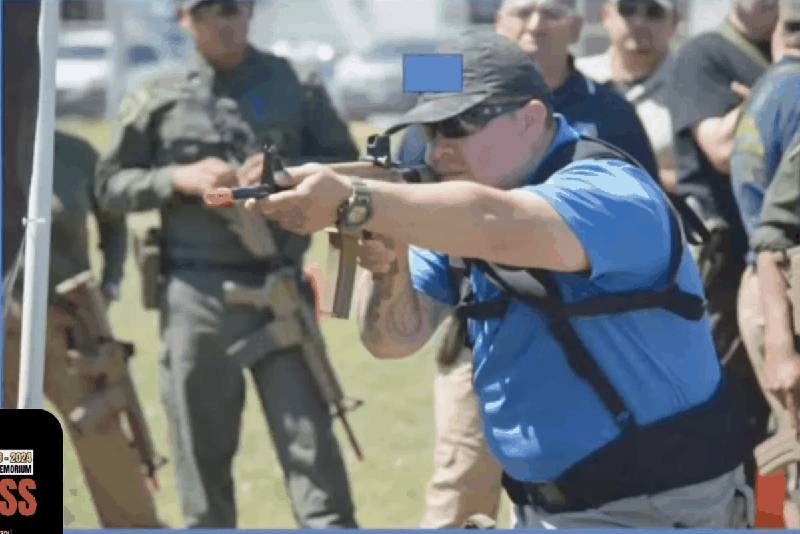
LaHood walked Whitkall through the limitations of his 40-hour course. No live rounds. No shoot house. No furniture to navigate, just cardboard boxes. No door breaching because it was a mobile training company. The "stress inoculation" was airsoft guns, not actual gunfire.
Then LaHood introduced Defense Exhibit 10: Whitkall's own training manual. He read the line prosecutors surely didn't want the jury to hear.
The man the state called to prove Gonzales should have acted alone just confirmed his curriculum explicitly discourages solo entry.
But that wasn't the kill shot.
The Question That Changes Everything
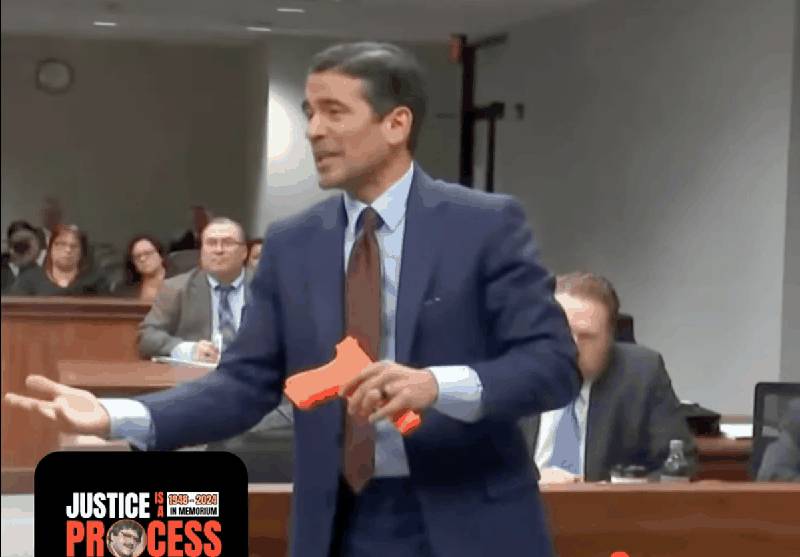
On redirect, the prosecution tried to recover. They had Whitkall confirm that locked doors give officers time to respond. It was a reasonable point. If exterior doors had been locked, officers would have had more time to engage the shooter outside.
LaHood saw the trap and reversed it.
"Locked doors only help if an officer is moving toward the gunfire, correct?"
Whitkall agreed.
"If an officer is not moving toward the gunfire, it doesn't matter?"
Whitkall's answer was devastating: "Absolutely."
376 Officers
Think about what the jury just heard from the state's own expert.
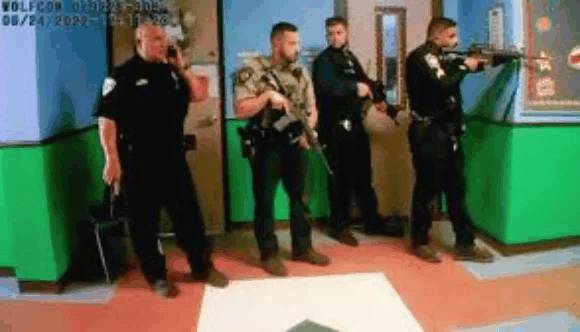
376 officers responded to Robb Elementary that day. Dozens of them stood in that hallway for 77 minutes. Body camera footage shows them checking phones, sanitizing hands, retreating from gunfire. Not advancing.
By Whitkall's standard, locked doors don't matter if officers aren't moving toward the threat. By his own testimony, every officer who stood in that hallway failed the same training principle the prosecution is using against Gonzales.
So why is only one of them on trial?
Why We Titled It This Way
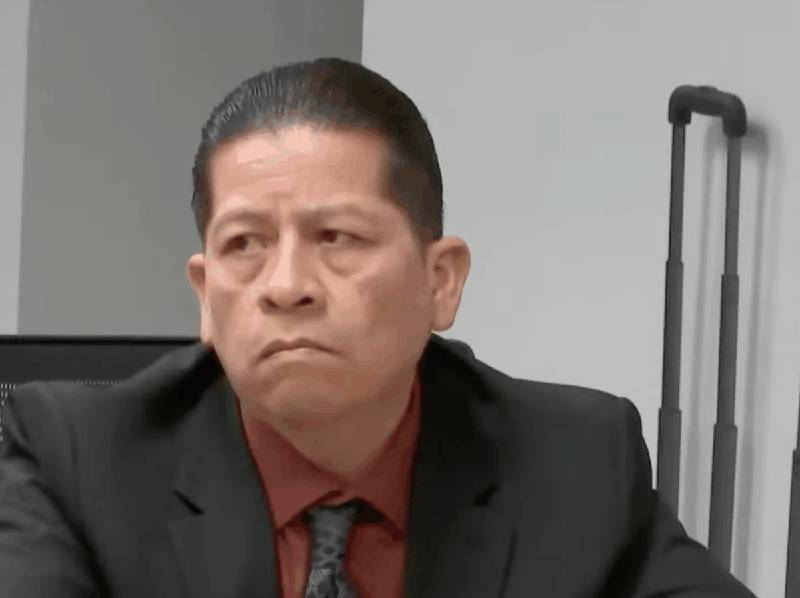
Our title for today's video: "State's Own Training Expert Turns on Prosecution in Uvalde Trial"
Our thumbnail caption: "WHY JUST HIM?"
This wasn't clickbait. This was the story.
The prosecution called Whitkall to prove Adrian Gonzales had the training and knowledge to act. What they got was an expert who admitted his own manual discourages solo entry, that 40 hours of training is "just the beginning, not the end," that active shootings starting with car crashes are unprecedented and abnormal, and most damaging of all, that locked doors are meaningless if officers aren't moving toward gunfire.
The defense's entire strategy is turning "Why didn't Adrian Gonzales act?" into "Why didn't anyone act?" Today, the state's own witness handed them that argument on a silver platter.
The Scapegoat Question
I've said from the beginning of this trial: the central question isn't whether Adrian Gonzales made mistakes. It's whether his mistakes were criminal while everyone else's were just tragic.
The Parkland jury couldn't convict Scot Peterson for standing outside during that shooting. They struggled with the question of whether failing to confront an active shooter rises to criminal conduct.
This jury will face the same question. But with an added layer: hundreds of officers failed the same standard the prosecution is applying to Gonzales. Every investigation found systemic failure at every level. The DOJ said lives would have been saved if officers had followed standard protocols.
If the failure was systemic, how do you criminally convict one man for it?
The prosecution still has work to do. They need to establish what made Gonzales different from the other 376 officers. They need to prove his specific conduct endangered children in ways other officers' conduct did not. After today, that job got harder.
▶️ WATCH THE FULL TESTIMONY State's Own Training Expert Turns on Prosecution in Uvalde TrialWatch the system. Watch it closely. Because today, the state's own witness asked the question everyone is thinking.
Why just him?
Watch the system. Question everything.
— Justice
Latest from the Desk
Want More?
Subscribe to Justice Is A Process on YouTube for live trial coverage, No Breaks editions, and breaking news as it happens.
🔴 Subscribe on YouTube111,000+ subscribers watching the system with us
Join the Discussion