When the Paperwork Backs Up the Cooperating Witness
Gun range records corroborate Juliana's testimony about the murder plot timeline
Cooperating witnesses are easy to attack. They have deals. They have motive to lie. They're telling the story prosecutors need to hear in exchange for their freedom. Defense attorneys know this, and they spend entire careers teaching juries to be skeptical of anyone testifying to save themselves.
So what happens when the paperwork matches?
Juliana Peres Magalhães told the jury that Brendan Banfield took her to a gun range in late October 2022. She said they went back in December. She testified he bought her a Glock 43X in January 2023, less than a month before Christine Banfield was stabbed to death. All of this, she says, was preparation for a murder plot.
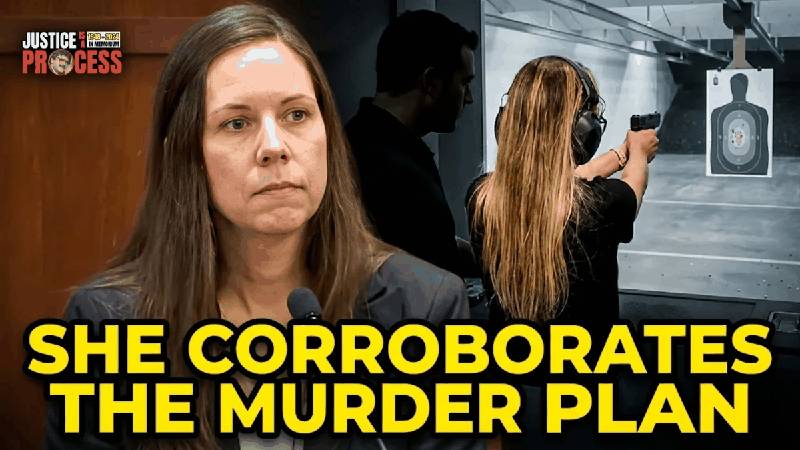
Today, the prosecution called Amy Shotwell. She's the custodian of records for Silver Eagle Group, a gun range in Ashburn. She brought business records. Check-in logs. Purchase receipts. Federal firearms transaction forms.
Brendan Banfield and Juliana Peres Magalhães both appear in the range's check-in system on October 29 and December 23 of 2022. The firearms transaction record shows Banfield purchased a Glock 43X pistol on January 28, 2023. The same type of gun prosecutors say Juliana fired at Joe Ryan in the Banfield bedroom.
And Christine Banfield? The wife who was killed? Shotwell searched her records thoroughly. No sign Christine ever set foot in that range. No record she accompanied her husband. Nothing.
Why Corroboration Matters
The defense is going to tell you Juliana is lying. They have to. Their entire case depends on convincing the jury that a desperate woman facing murder charges made up a story to save herself. They'll point to her plea deal. They'll point to her motive. They'll ask why anyone should believe a cooperating witness who gets to walk free if her testimony convicts someone else.
Those are fair questions. I ask them myself in every case.
But here's the thing about lies: they're hard to corroborate with paperwork that existed before anyone knew there would be a murder investigation.
Those check-in logs weren't created for trial. That firearms transaction record was filed with the federal government in January 2023, a month before Christine died. Juliana didn't forge these documents. She couldn't have known in October 2022 that she'd need to prove she was at a gun range. These records just... exist. And they match what she said.
The defense points out, correctly, that these are just check-in logs. They don't record conversations. They don't capture Banfield explaining his murder plan over ear protection. They don't show who actually fired the weapons or why the Glock was purchased. Amy Shotwell never spoke to Banfield, doesn't recognize him, and can't testify to anything beyond what the paperwork shows.
All true. And all beside the point.
What Corroboration Does and Doesn't Prove
Corroboration doesn't prove guilt. It proves the cooperating witness isn't making up dates out of thin air. It proves that at least some portion of her story corresponds to verifiable reality. It gives the jury a reason to believe her about the things that can't be documented.
If Juliana had testified they trained at a range in October and November, but the records showed December and January, the defense would have hammered that inconsistency. They would have said she's mixing things up, getting confused, maybe inventing the whole thing. That's not what happened.
She said October and December. The records show October and December. She said he bought a Glock in January. The receipt says January 28.
Does that mean everything else she testified to is true? No. But it means the jury has a reason to keep listening.
▶️ WATCH NOW Gun Range Records Back Up Au Pair's Testimony About Murder PlotThe Question the Jury Will Have to Answer
My dad used to say the best defense against a cooperating witness is showing the jury they have a reason to lie. The best defense against corroboration is showing the jury it could mean something else.
People go to gun ranges all the time. People buy guns for lots of reasons. None of that is illegal. None of that proves a murder plot.
But when your star witness testifies that training at a gun range was part of a plan to kill, and business records confirm she was there on the dates she said, with the person she said, during the months leading up to the murder?
That's not proof of murder. But it's proof she's not making it all up.
And in a case that depends heavily on whether the jury believes Juliana Peres Magalhães, corroboration matters more than the defense wants to admit.
Watch the system. Question everything.
— Justice