The Judge Who Refused to Play Along
Madison Bergman got six times what her defense asked for. Here's why it matters.
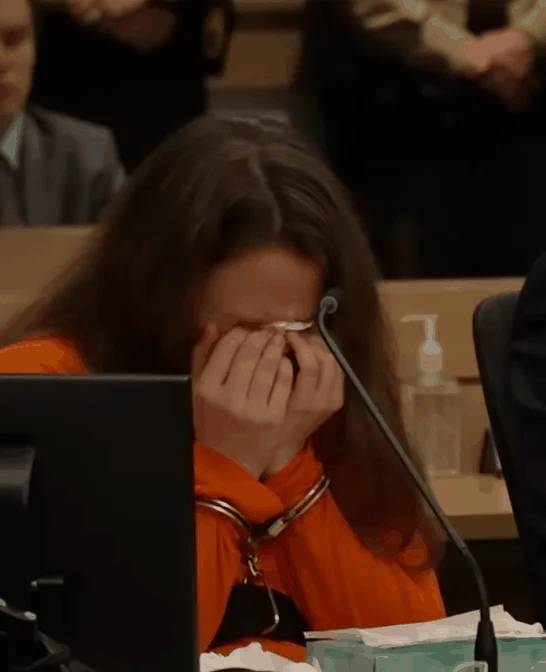
I watch a lot of sentencing hearings. Most of them follow a predictable script. Defense paints their client as a damaged person who made a mistake. Prosecution asks for the max. Judge splits the difference and everyone goes home feeling like justice was served, more or less.
This one was different.
Madison Bergman was a 24-year-old elementary school teacher in Hudson, Wisconsin. Her victim was an 11-year-old boy. A fifth grader. Her student. The judge laid out the facts with surgical precision: 35,429 text messages over roughly 125 days. That's 283 texts per day between a teacher and her student. The content was so explicit the judge read portions of it aloud in open court, not to sensationalize, but to explain why probation was never going to happen.
The defense asked for one year. They painted Bergman as remorseful, cooperative, no prior record, already engaged in rehabilitation. They argued she posed no future risk to the public.
The judge found that argument hard to square with reality.
But what really sealed her fate wasn't the volume of messages or even their content. It was what she told the pre-sentence investigator about why she did it.
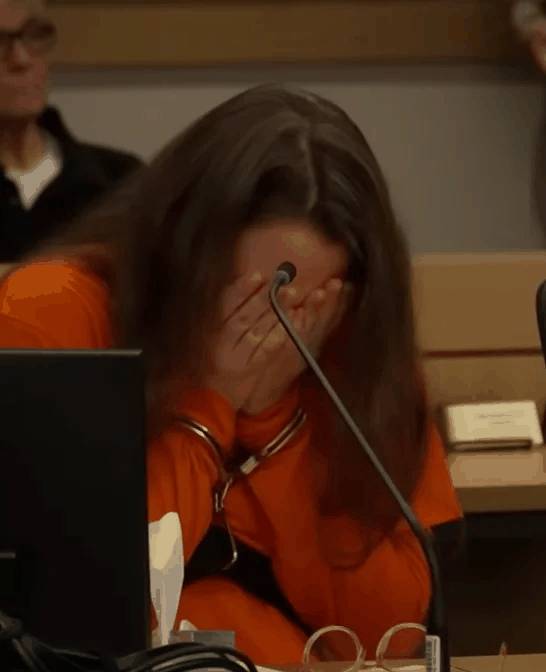
Bergman claimed she "dissociated" while texting the 11-year-old. She said she was actually thinking about her fiance when she sent those messages. The sexual content? "Fantasy." Didn't happen. And here's the part that made the judge's voice change: she blamed the child. She told the PSI writer that the victim told her it wasn't a big deal and encouraged her to keep texting.
The judge's response was direct: "This is all completely backwards. The adult in the room is telling the PSI writer that she was kind of a pushover to the 11-year-old."
He noted that when reading the text exchanges, he sometimes couldn't tell which side was the child. Both seemed equally immature. That's not a compliment to the defendant.
The Sentence
Defense asked for one year. The prosecution asked for twelve.
The judge gave her six years in Wisconsin state prison. Six years of extended supervision after that. Lifetime sex offender registration. Banned from any occupation involving children under 16 for the rest of her life. No internet or social media without agent approval.
Six times what the defense asked for.
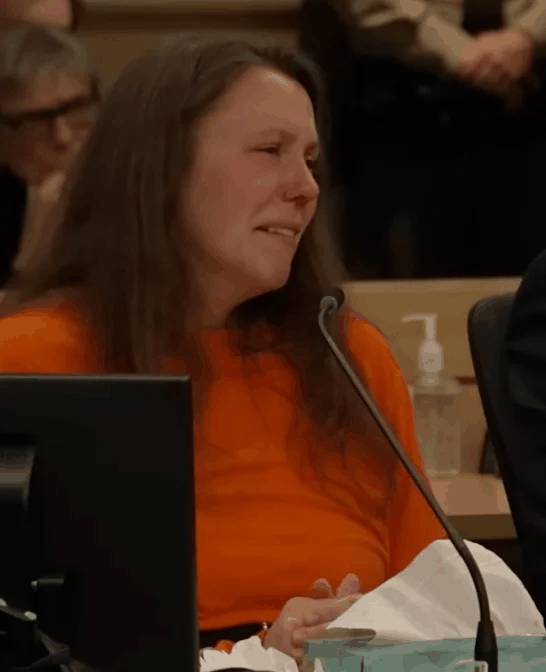
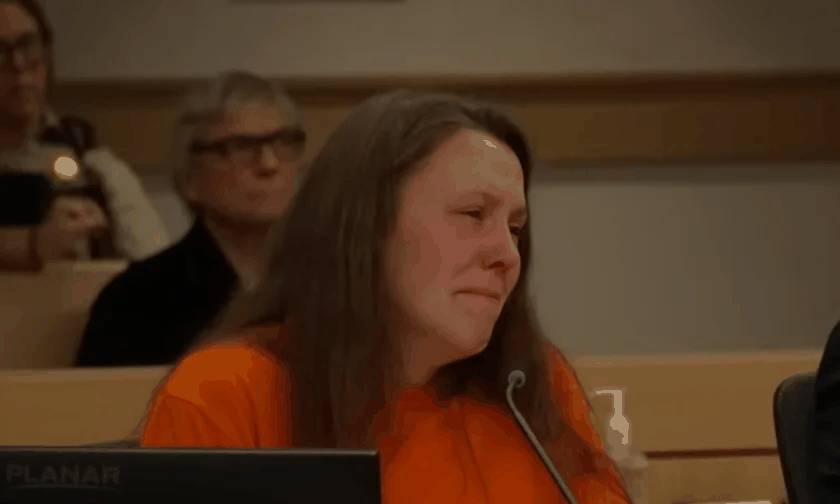
When the sentence was announced, Bergman sobbed audibly. The judge's response: "You're going to have to calm down for a minute because I have to give you some more."
And he did. He spent another several minutes listing out every restriction, every consequence, every way her life would be different from this moment forward.
Why This Matters
I cover trials where defendants face decades for crimes they may or may not have committed. I watch juries wrestle with reasonable doubt. I see judges bend over backwards to give people the benefit of every possible interpretation.
This case was different because the facts weren't in dispute. The messages existed. The timeline was documented. The only question was: what do you do about it?
The defense tried to minimize. They compared this to cases with physical contact, arguing Bergman never touched the child. The judge acknowledged the distinction but rejected the framing: "It's a different kind of terrible."
He also made a point about deterrence that stuck with me. Parents trust their children to teachers every day. When that trust is violated this completely, the system has to respond in a way that sends a message. Not for vengeance. For protection. For the next teacher who might think the rules don't apply to them.
The victim's father gave an impact statement the judge described as "very immediate, very specific." The victim's mother took a different view, saying jail isn't the answer. The judge acknowledged both perspectives without letting either dictate his decision. He made his own call based on the facts in front of him.
That's what judges are supposed to do. It's not always what they do.
▶️ WATCH NOW Teacher Sobs as Judge Sentences Her to State PrisonWatch the full sentencing. Listen to the judge work through his reasoning. Watch him read those text messages aloud and explain, methodically, why every excuse she offered made things worse instead of better.
This is what accountability looks like when the system decides to take it seriously.
Explore More Coverage
Want More?
Subscribe to Justice Is A Process on YouTube for live trial coverage, No Breaks editions, and breaking news as it happens.
🔴 Subscribe on YouTube111,000+ subscribers watching the system with us
Watch the system. Question everything.
— Justice